Aspen New Construction Guide for Newer and Redeveloped Homes
June 11, 2026
June 11, 2026
If you are looking for something that feels brand new in Aspen, you are not just shopping for finishes and floor plans. You are also stepping into a market shaped by tight inventory, detailed city review, and a long-standing focus on preservation and design. This guide will help you understand where newer opportunities tend to appear, what “redeveloped” really means in Aspen, and how to compare a true new build with a thoughtfully updated home. Let’s dive in.
In Aspen, new housing supply is often created through approvals as much as through construction. A project may need a pre-application letter, development application, completeness review, fee payment, case-planner review, and sometimes a hearing before a signed entitlement is recorded and a building permit is issued. Most exterior work also requires design review, and historic or environmentally sensitive sites can trigger additional review.
That process matters because it helps explain why Aspen does not produce a steady flow of brand-new homes the way some other markets do. The city has treated preservation as a policy priority since the early 1970s, so redevelopment often comes with more oversight than buyers expect. In practical terms, that means truly new product is usually limited and highly competitive.
Aspen’s published permit timeline page, as of December 2025, lists new major residential permits at about 16 to 18 weeks for round one review after an application is complete and fees are paid. Final review and the certificate of occupancy or letter of completion can take additional time after inspections. If you are targeting a newly built or near-completion home, timing is part of the value equation.
In Aspen, “redeveloped” often means much more than a fresh coat of paint or a stylish remodel. A property may be rebuilt or updated so extensively that it lives like a newer home, even if the lot and portions of the original structure remain. For many buyers, this is where some of the most compelling inventory appears.
Recent local examples show how broad that category can be. A West End home originally built in 1977 was remodeled in 2006, and a West Aspen home built in 2004 was remodeled again in 2018. These kinds of homes can offer a current look and feel while still reflecting an earlier building footprint or structural framework.
Redevelopment in Aspen is also shaped by specific city goals. The city’s Residential Demolition and Redevelopment Standards aim to improve solid-waste diversion, energy efficiency, and construction impacts. The standards encourage fully electric heating and cooling, lower water use, reduced luxury loads, onsite energy production, and the reuse or recycling of materials.
For you as a buyer, that means a redeveloped home may include meaningful performance upgrades, not just cosmetic improvements. It can also mean the project went through a more involved review path, especially if demolition allotments were part of the process.
If a property is on a historic site or within a historic district, Aspen’s Historic Preservation Commission may review development, demolition, relocation, and variation requests. This review can influence exterior form, materials, and how the home fits its surroundings. Even a highly renovated property may still have visible design constraints.
That does not make these homes less desirable. In many cases, it simply means the finished product reflects a balance between updated living and contextual design. If you are considering a redeveloped property in areas with historic relevance, it helps to understand that the “newness” may be more about the interior experience and systems than a fully blank-slate exterior.
If your goal is a home with a current design, newer systems, and reduced post-closing work, your search should be focused. Aspen’s H1 2025 market data show sales activity concentrated in the Central Core, West Aspen, West End, Red Mountain, and East Aspen. At the same time, the broader Aspen and Snowmass market had its lowest inventory since 2006.
That combination of low inventory and a detailed review structure means buyers usually find newer product through infill or redevelopment rather than large new subdivisions. In other words, the best opportunities are often embedded inside established neighborhoods instead of in entirely new communities.
Recent examples of brand-new product include three West End townhomes on West Bleeker, 2025-built half duplexes on Cemetery Lane in West Aspen, and a 2025-built turnkey home on Red Mountain. Together, these examples suggest that buyers looking for something truly current should pay close attention to the West End, West Aspen, Red Mountain, and select in-town infill locations.
The West End continues to stand out for buyers who want a blend of historic character, strong design standards, and occasional new or heavily redeveloped opportunities. Inventory here can include both fully modernized older homes and rare newly built townhomes. Because of the area’s established context, exterior design review can play an important role.
West Aspen has seen examples of both remodeled homes and newly built product, including newer half duplex opportunities on Cemetery Lane. For buyers who want current interiors and a more recent construction profile, this area can offer options worth close monitoring. It is one of the places where newer inventory has actually surfaced.
Red Mountain is another area where truly new, turnkey product has recently appeared. For buyers prioritizing a polished move-in-ready experience, this submarket deserves attention. It can also appeal to those looking for a more contemporary mountain-luxury feel without planning their own build timeline.
These areas remain central to overall market activity, but newer opportunities may be more selective and often tied to infill or major redevelopment. If location is your top priority, it may make sense to widen your definition of “new” to include extensively updated properties that deliver a current lifestyle with fewer compromises.
For most Aspen buyers, the real decision is not just old versus new. It is whether you want the certainty of a turnkey home or the value and character that can come with a thoroughly updated property. The tradeoff usually comes down to control versus time.
Turnkey new builds often reduce the amount of work you need to do after closing. In a market where city review, design approval, and construction management all add complexity, that can be a major advantage. These homes are rare, though, and their scarcity often supports a premium.
Thoughtfully updated older homes can deliver a similar day-to-day experience with less waiting. You may still get refreshed interiors, improved systems, and modern comfort, but there can be compromises in layout, lot efficiency, or the age of certain structural elements. In Aspen, many buyers find that a strong redevelopment offers the right balance.
If you are considering a property that is still under construction or nearing completion, city construction rules are important. Aspen limits construction to Monday through Friday from 7:30 a.m. to 5:30 p.m. and Saturday from 9 a.m. to 5 p.m., with no Sunday work. There are also extra holiday and event restrictions in the Core and Central Resort Area.
The city notes that offseason interior work in the Central Resort Area may be allowed with prior approval. Even so, building schedules in Aspen remain tightly managed. For buyers, that means completion dates can be affected by more than just the builder’s timeline.
There are also debris-diversion rules that apply to larger projects. Construction with more than 2,000 square feet of disturbance must participate in Aspen’s construction-and-demolition diversion program, including a waste-management plan and use of Green Halo. After final inspections, the city notes that the certificate of occupancy or letter of completion can still take several weeks.
Aspen’s redevelopment standards encourage features that support performance and resilience. These can include fully electric heating and cooling, reduced water use, onsite energy production, and recycled or reused materials. The standards also push projects toward fire-resilient details such as ignition-resistant materials, Class A roofs, tempered or fire-protected glazing, and solar-ready electrical provisions.
For you, that means a newer or recently redeveloped home may offer value beyond aesthetics. The appeal may include more efficient systems, more durable materials, and design choices shaped by current local standards. In Aspen, those details can make a meaningful difference in how a home lives over time.
Price expectations in Aspen vary significantly by location. H1 2025 neighborhood averages show how much close-in positioning can influence value, even though these are not new-build-only figures. They are still useful for setting a realistic budget framework.
| Area | H1 2025 Average Price Per Square Foot |
|---|---|
| Central Core SFH | $5,452 |
| West End | $4,685 |
| West Aspen | $4,327 |
| East Aspen | $3,651 |
| Red Mountain | $3,445 |
These neighborhood averages highlight the premium attached to Aspen’s most central locations. If you are targeting a true new build or an exceptional redevelopment in one of these areas, expect rarity to be part of the pricing story.
A focused strategy can save you time in this market. If your priority is a fully current home, it helps to distinguish between three categories early: true new construction, major redevelopment, and cosmetic renovation. Those categories can look similar in photos, but they often differ in approval history, systems, timeline, and long-term maintenance expectations.
It also helps to watch the right locations rather than waiting for broad new supply. In Aspen, newer opportunities tend to emerge one property at a time through infill, redevelopment, or discreet market offerings. A targeted, neighborhood-specific approach is usually more effective than a wide search.
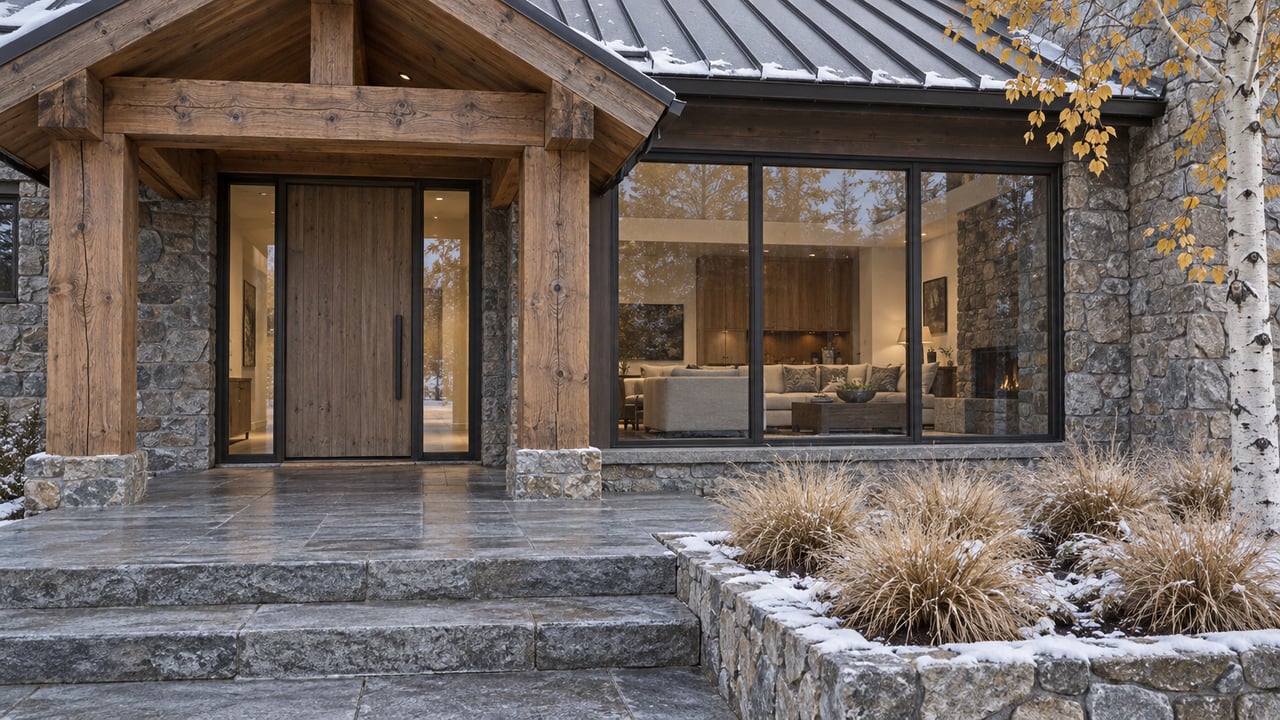
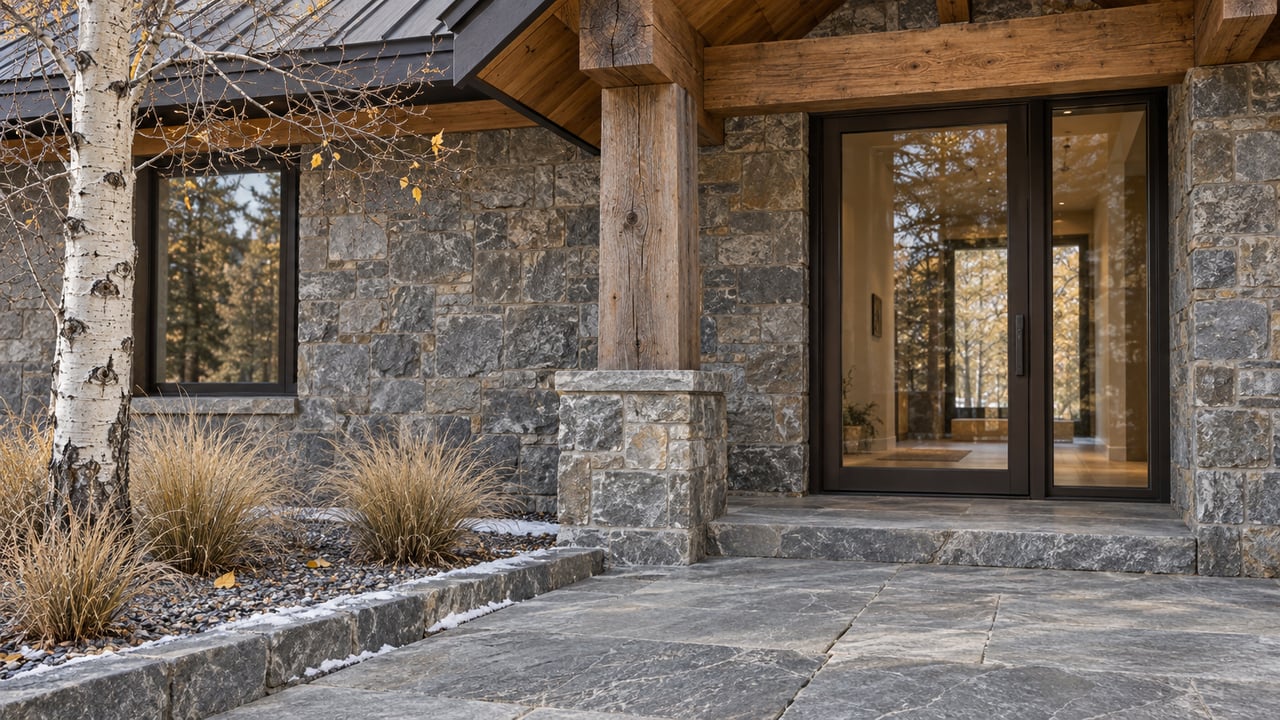
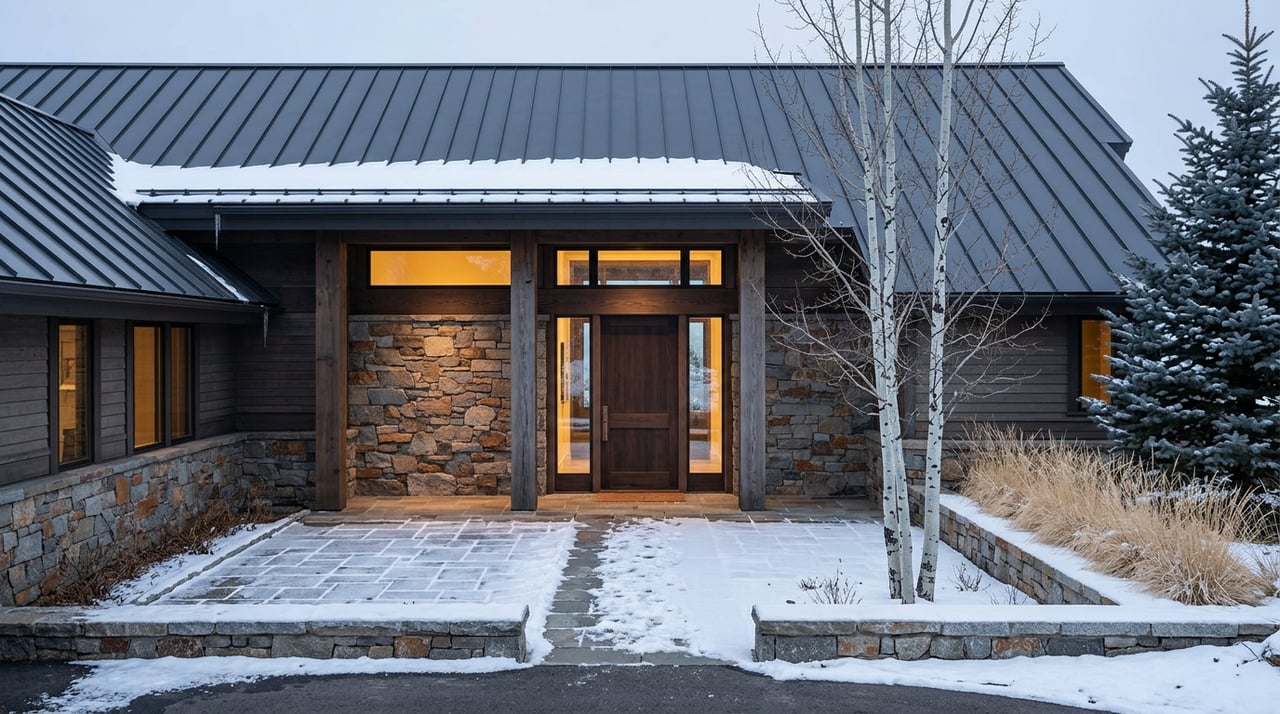
Finally, ask the right questions about process, not just presentation. In this market, the story behind how a home was approved, rebuilt, or updated can be just as important as the stone, timber, and views. That context often tells you how “new” the home really is.
If you are weighing a turnkey new build against a high-quality redevelopment in Aspen, the right guidance can help you move with more clarity and confidence. For tailored insight on Aspen Core, Red Mountain, West End, and other key luxury enclaves, schedule a confidential consultation with Ashley Feddersen.
Stay up to date on the latest real estate trends.