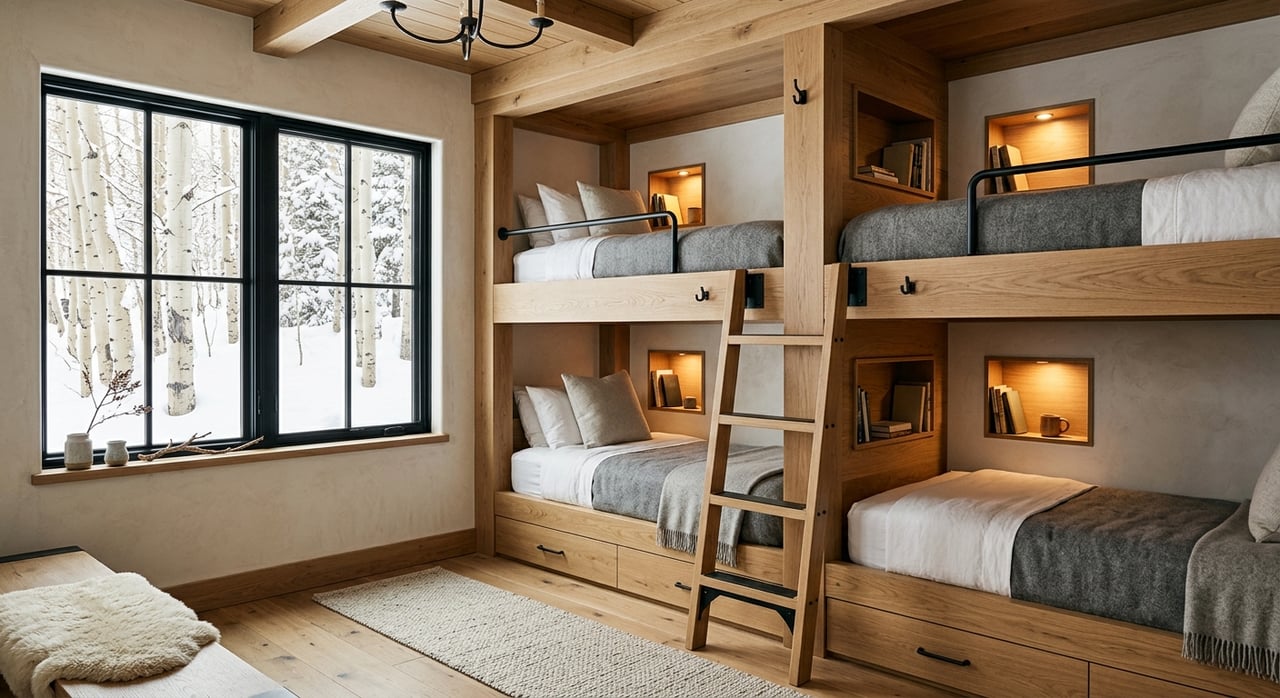
Aspen Luxury Rental Home Design for Dual Use
June 25, 2026
June 25, 2026
If you want an Aspen home to serve both your lifestyle and your investment goals, the design choices matter more than most buyers expect. A dual-use property has to feel like a true mountain residence when you arrive, yet still function smoothly when guests stay for a long weekend or a full ski week. The good news is that with the right planning, you can create a home that protects its private feel while supporting premium rental use. Let’s dive in.
Aspen is well suited to dual-use ownership because it is a true four-season destination. Winter typically runs from November through April, while summer begins in June, giving owners and guests very different reasons to be here throughout the year.
That year-round appeal shapes how a home should live. In Aspen, your property is not just a winter ski base or a summer retreat. It often needs to support both personal use and guest stays across changing seasons, weather patterns, and activity levels.
Aspen’s visitor profile also supports a premium approach. Recent local visitor data shows strong daily spending, meaningful interest in outdoor recreation and dining, and a notable share of stays lasting four days or longer. That means many guests are looking for a polished, comfortable home base rather than a bare-bones rental.
Before you think about finishes, furniture, or floor plans, confirm the property’s location and rental eligibility. In Aspen, short-term rental rules differ depending on whether the home is inside Aspen city limits or in unincorporated Pitkin County.
In Aspen city limits, any stay under 30 days requires a short-term rental permit and city licensing. The city currently uses three permit types: STR-LE, STR-OO, and STR-C.
STR-OO permits are limited to 120 rental nights per year. STR-C permits do not have an annual night cap, but they can be capped or waitlisted in certain zone districts. Permit fees and annual business license requirements also apply, and permit holders must file taxes monthly.
Aspen also requires the permit number to appear in third-party listings. Inside the home, the short-term rental permit, business license, and Good Neighbor Guide must be displayed in an obvious location.
If the property is outside Aspen city limits and in unincorporated Pitkin County, a separate county short-term rental license is required. The county program includes a four-night minimum, a 120-night maximum, and a history-of-use requirement tied to prior short-term rental activity.
Because Pitkin County is studying short-term rental impacts, buyers should expect the regulatory environment to keep evolving. That makes early due diligence essential if rental use is part of your ownership plan.
In Aspen, permit rules can affect how you hold title. The city requires a real person with at least a 10% ownership interest to be the named permittee, and permittee changes can trigger permit issues.
For many buyers, that means ownership structure should be considered early, especially if you are weighing an LLC or trust. In a dual-use purchase, legal setup is not just paperwork. It can directly affect how the property may be rented.
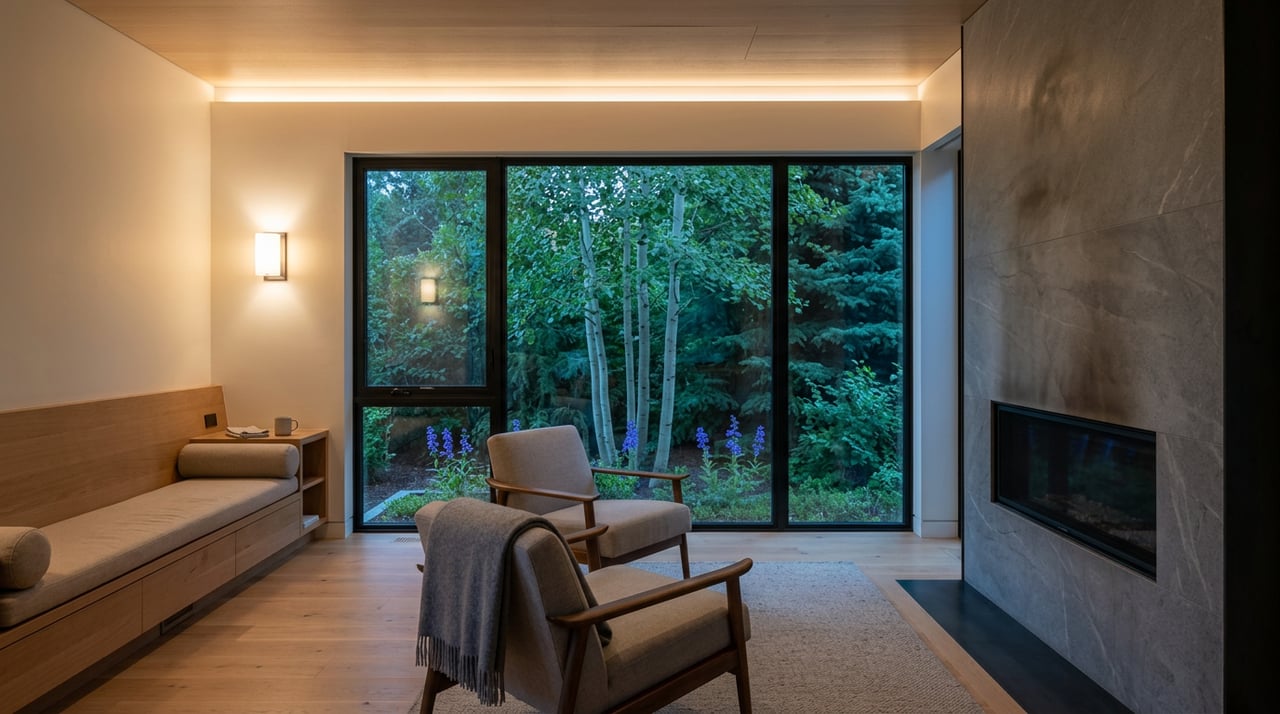
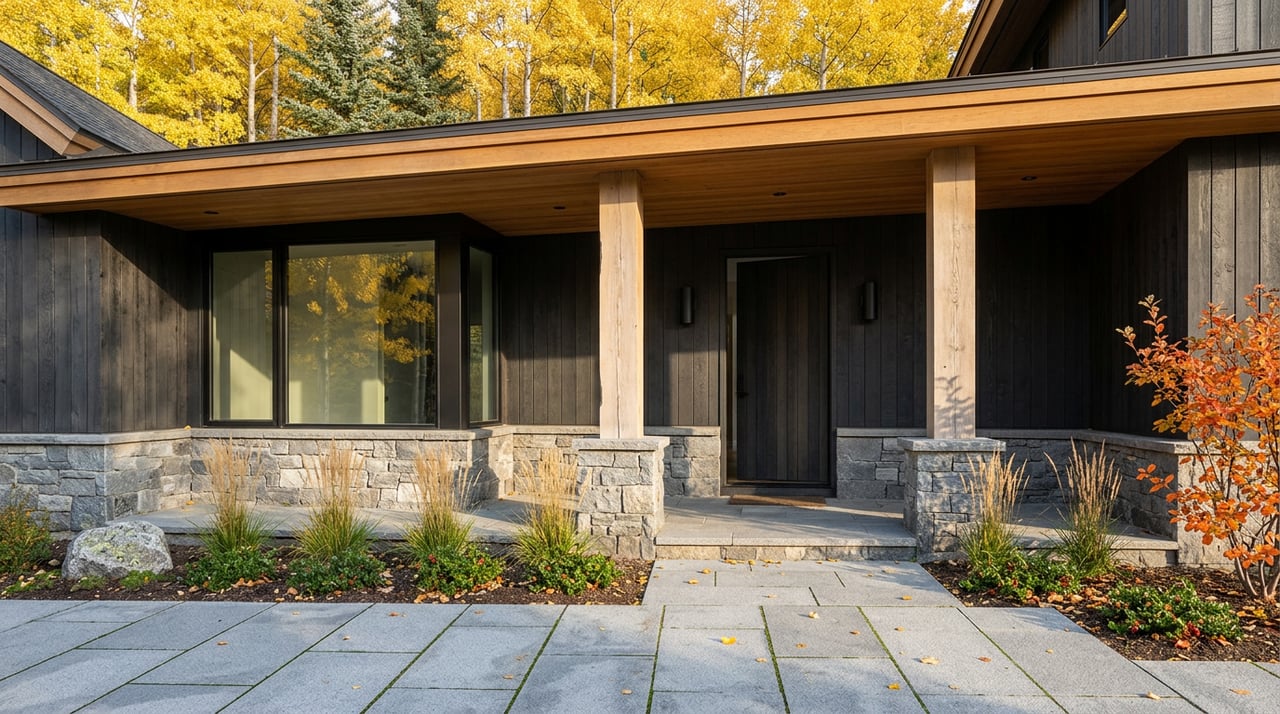
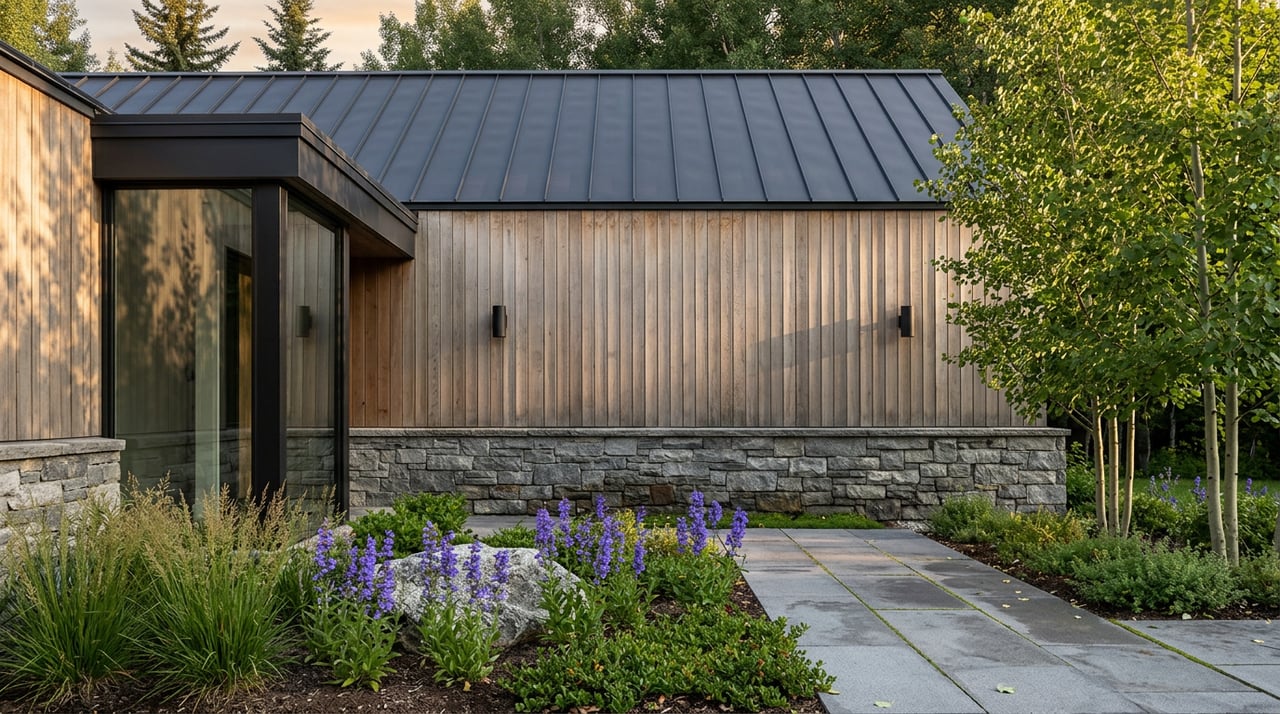
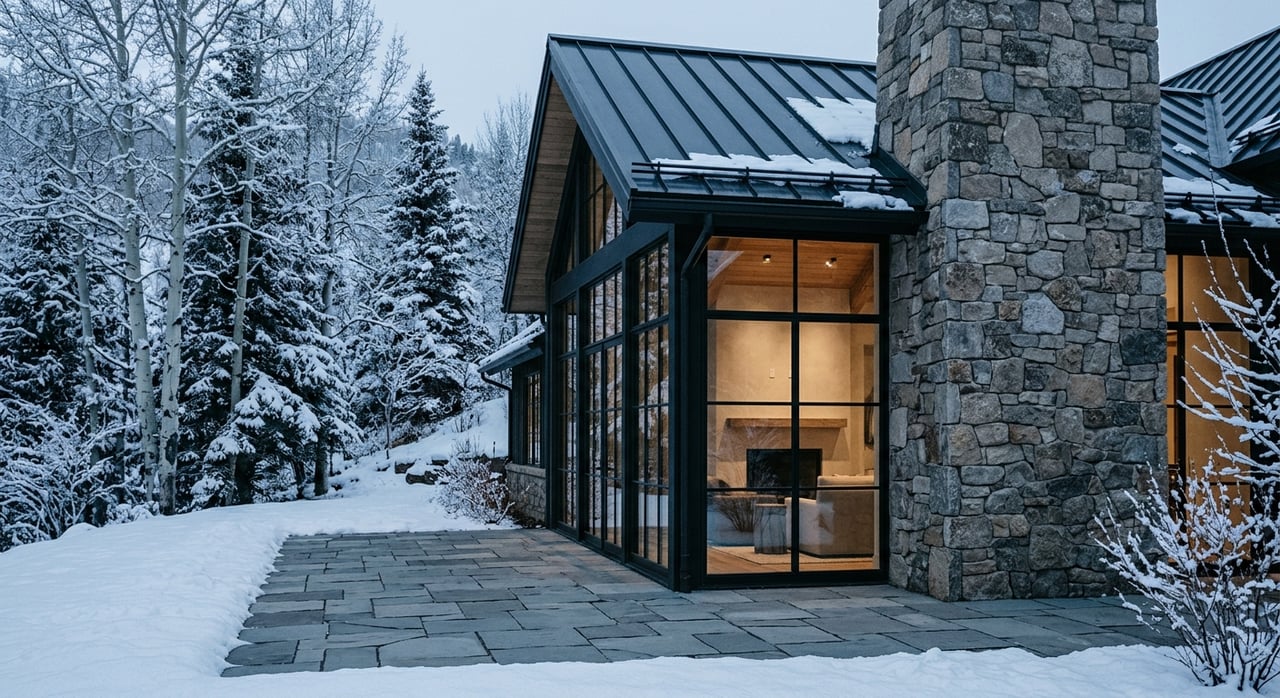
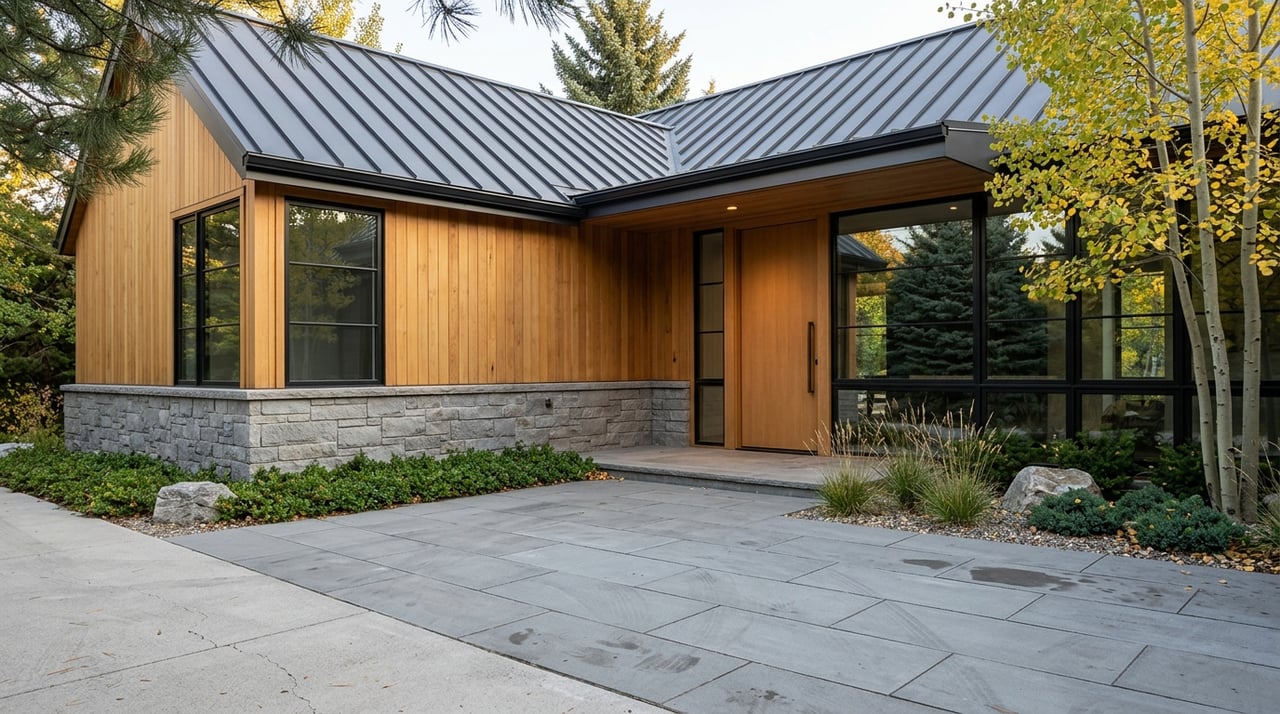
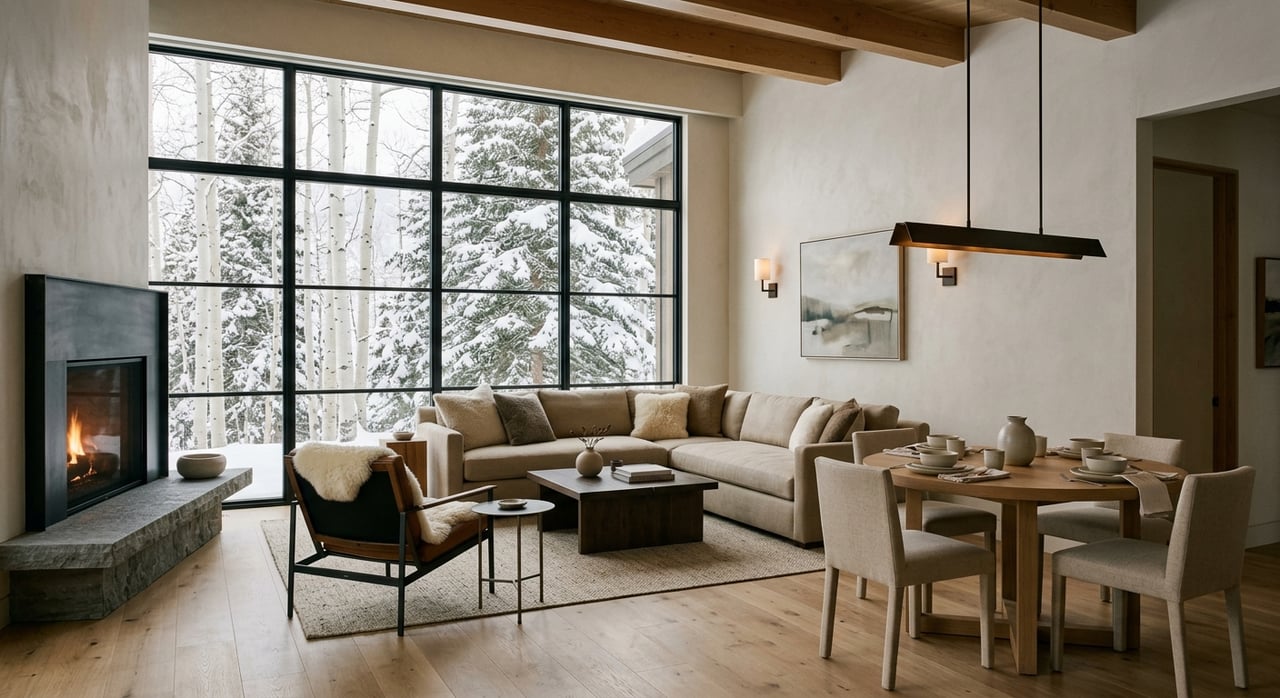
The most successful dual-use Aspen homes feel residential first. They do not read like purpose-built lodging. Instead, they offer a private, refined experience for you while also being intuitive for guests.
That balance matters in a market like Aspen, where visitors often expect high comfort and a polished setting. If a home feels too optimized for turnover, it can lose the warmth and identity that make mountain properties memorable.
When planning a dual-use home, flexibility often beats maximum bedroom count. A layout with a primary suite, one or two true guest bedrooms, and one flexible room can be more useful than trying to fit in extra but undersized sleeping spaces.
That flexible room can shift as your needs change. It might work as an office during your stays, then serve as a bunk room, den, or media room when guests are in residence.
This kind of planning supports a broader range of use. It works for couples, family travel, longer stays, and owners who still want a practical place to work or unwind.
One of the smartest design moves in a dual-use home is separating guest circulation from private owner storage. Guests should be able to arrive, settle in, and use the home naturally without opening every cabinet or closet.
Defined owner closets, locked storage, and concealed support areas can make a major difference. They help protect personal items, simplify turnover, and preserve the feeling that the home is still yours.
This is also where good design supports compliance. Aspen requires certain rental materials to be visible inside the unit, so thoughtful entry design can help you meet that obligation without making the home feel commercial.
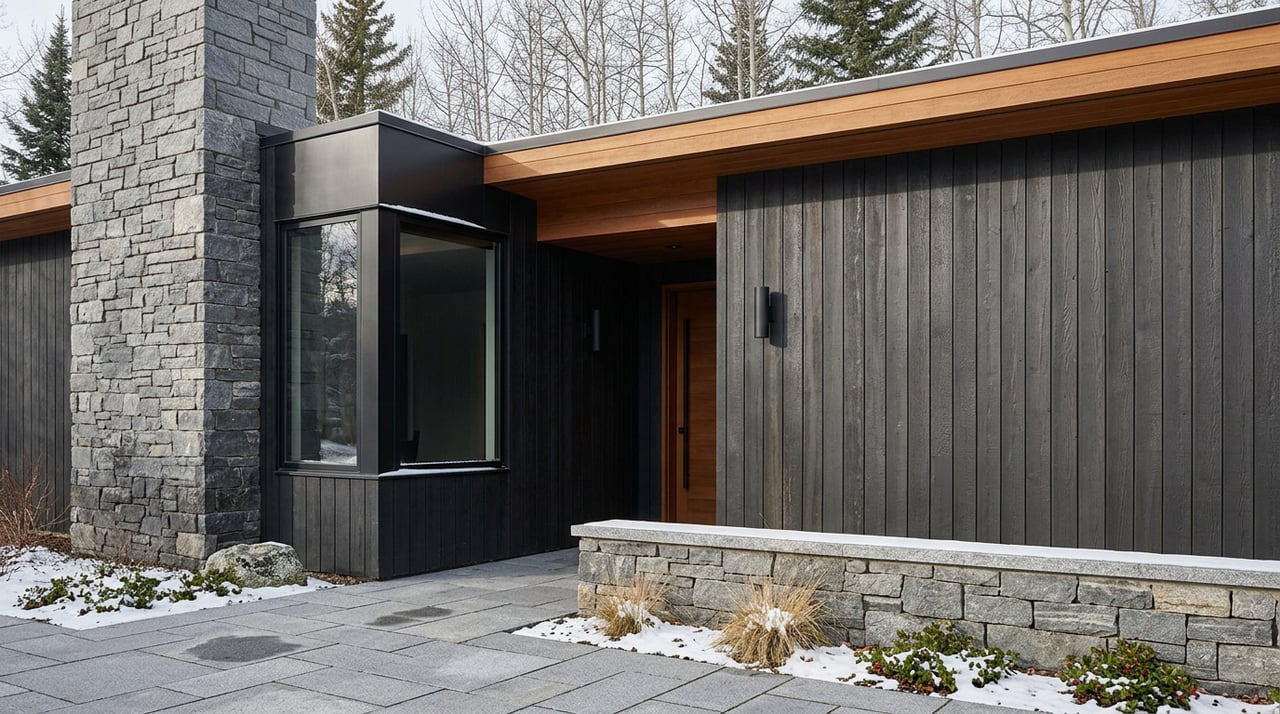
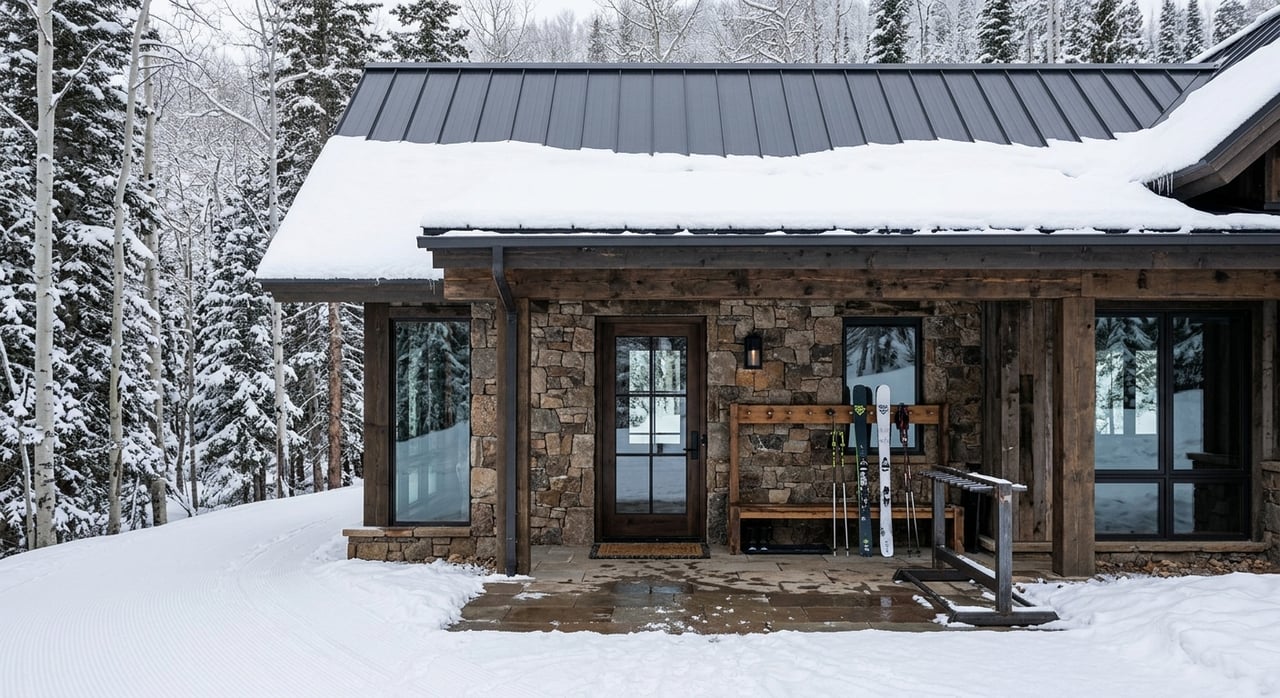
Aspen’s climate makes support spaces more important than they might be in other luxury markets. With about 300 inches of annual snowfall, a long ski season, and active summers, gear storage is not optional.
A real mudroom adds daily value whether you rent the home or use it yourself. You should plan for:
In winter, this keeps snow, moisture, and clutter out of living areas. In summer, it gives hikers and bikers a practical landing zone after a day outdoors.
Laundry space is easy to underestimate in a dual-use property. If guests stay for four or more days, and if turnovers need to happen efficiently, laundry capacity becomes a key operational feature.
A well-designed laundry room, linen storage, and concealed cleaning storage can support a smoother experience for everyone. These are not glamorous details, but they often have an outsized impact on how well the home functions.
Comfort details matter in Aspen because of the climate and elevation. Local guidance notes that some visitors experience altitude-related symptoms and that dryness can be an issue.
That makes humidification, easy-to-understand thermostat controls, and thoughtful HVAC planning worth prioritizing. Even a simple bedroom humidifier can improve overnight comfort for guests who are not used to the environment.
In a premium dual-use home, those details are part of the hospitality experience. They also make your own stays more comfortable, especially during the drier winter months.
The best dual-use amenities are often the ones that feel elevated without creating constant upkeep. In Aspen, that usually means practical luxury instead of excess.
Features worth prioritizing include:
These choices support longer stays and better day-to-day living. They also help the home photograph well, show well, and operate more efficiently.
Some design choices need special review early in the process. If you want a fireplace or wood stove, confirm requirements with Pitkin County before moving too far into design. The county regulates fireplaces and wood stoves and requires registration before a building permit will be issued.
Parking should also be planned carefully rather than oversized by default. Aspen’s transportation and parking systems are designed to reduce congestion, and the city offers free shuttle routes to ski lifts, trailheads, offices, and other destinations.
That does not mean parking is unimportant. It means the best plan is often efficient rather than excessive, especially if extra garage square footage would come at the expense of better interior living space.
A dual-use Aspen home should never feel like a hotel lobby. Still, local rules require certain rental documents to be displayed inside the unit.
The solution is thoughtful presentation. A framed notice, entry-area binder, or small information station can satisfy the requirement while preserving the home’s design integrity.
This is a small detail, but it reflects a larger principle. The goal is not simply to make the property rentable. The goal is to make it rentable without losing the identity of a private mountain home.
If dual use is part of your plan, the most important work often happens before closing or before renovation begins. A polished home can still be a poor fit if the zoning, permit structure, or ownership setup does not support your goals.
Before moving forward, confirm:
In Aspen, this kind of diligence is part of smart luxury ownership. It helps you protect both the lifestyle side and the income side of the property.
If you are evaluating an Aspen home for personal use, seasonal rental potential, or a future remodel, a tailored strategy matters. Ashley Feddersen offers discreet, high-touch guidance for buyers and owners who want a property to perform beautifully on both fronts.
Stay up to date on the latest real estate trends.