Buying Aspen Ski-In Ski-Out Property With Confidence
June 18, 2026
June 18, 2026
Wondering what “ski-in/ski-out” really means in Aspen? You are not alone. In this market, the label can describe everything from true slope-side access to a condo that is simply steps from the gondola, so knowing the difference can save you time, money, and disappointment. This guide will help you understand how ski access works in Aspen, what to look for during your search, and which details matter most before you buy. Let’s dive in.
In Aspen, “ski-in/ski-out” is not always one fixed standard. Aspen Snowmass uses the phrase across a range of lodging types, including direct mountain frontage, base-area residences, gondola-adjacent properties, and some options that depend on walking or a skier shuttle.
For buyers, it helps to think in three practical categories: true on-piste, base-area or walk-to-gondola, and shuttle-backed access. This simple framework gives you a clearer way to compare homes and condos, especially when two listings use similar language but offer very different daily convenience.
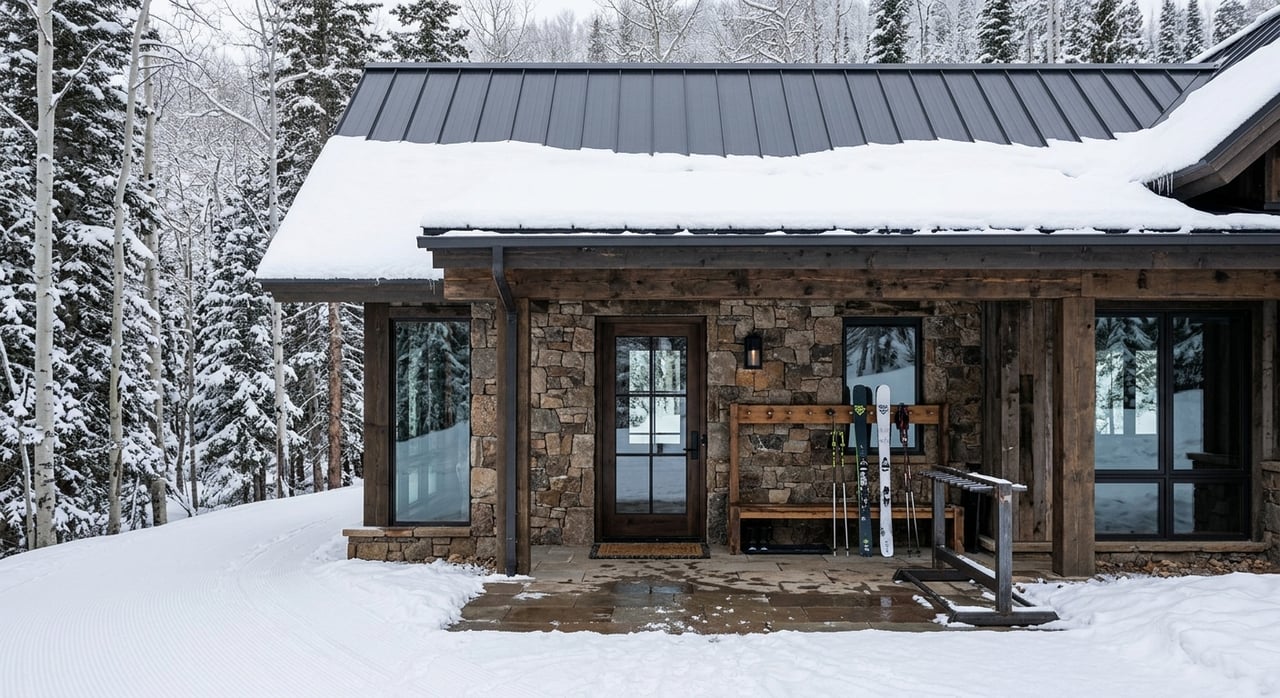
This is what many buyers picture first. You can step out and connect directly to the ski experience with minimal transition, which is why these properties tend to command strong interest.
Aspen Snowmass describes The Little Nell as Aspen’s only ski-in/out hotel. It also describes Residences at The Little Nell and W Aspen as being at the base of Aspen Mountain with ski-in/ski-out access.
Some Aspen properties are not literally on the run, but they still offer excellent ski convenience. If you are close to the base and the Silver Queen Gondola, your day on Aspen Mountain can still feel very seamless.
For example, Aspen Snowmass describes North of Nell as being at the base of Aspen Mountain, just steps from the gondola. Limelight Aspen is described as just steps from Aspen Mountain and downtown Aspen.
Other properties provide ski access through a short walk or shuttle connection. That setup may still work well for your lifestyle, especially if you value a little more separation from the busiest base-area activity.
Aspen Snowmass describes St. Moritz as being at the foot of Shadow Mountain, with an easy eight-minute walk to town and a free skier shuttle two blocks away. In many cases, this category can offer a different balance of access, privacy, and day-to-day quiet.
If you are focused on Aspen Mountain, a downtown address can be more ski-friendly than you might expect. The Silver Queen Gondola rises 3,300 vertical feet directly from downtown Aspen and reaches the summit in about 14 minutes.
Aspen Mountain itself is also relatively compact at 675 acres. That means you do not always need literal ski-to-door frontage to enjoy a highly convenient winter lifestyle in Aspen Core.
A prestigious address is appealing, but the best ski home is the one that fits how your household really uses the mountains. Aspen Snowmass spans more than 5,700 acres across four mountains, and each one offers a different experience.
Aspen Mountain is known as the town mountain and is geared mostly toward intermediate to advanced skiing. Snowmass offers more than 3,330 acres and 22 lifts, while Buttermilk has 470 acres and is mostly beginner and intermediate terrain.
If your group spends most of its time on Aspen Mountain, being near downtown Aspen and the gondola may make perfect sense. If your routine leans toward longer family ski days on a different mountain, your ideal home may look different from the classic picture of an Aspen ski-in/ski-out address.
The most immediate ski access often comes with a more active setting. Base-area and gondola-adjacent properties can put you close to the energy of winter mornings, pedestrian traffic, and peak-season activity.
More walkable or shuttle-backed options may offer a quieter feel and a little more remove. That tradeoff is worth thinking through carefully, especially if you plan to use the home beyond ski season or want a more private ownership experience.
A ski home should also work well for you in summer and shoulder seasons. Aspen Mountain has separate winter and summer trail maps, along with a seasonal summer operating schedule, which is a good reminder that mountain access changes throughout the year.
When you evaluate a property, ask yourself whether the location still feels convenient once snow is gone. A great Aspen purchase should support your lifestyle year-round, not only on powder days.
Aspen is a high-value market where details matter. According to the Aspen Board of REALTORS’ June 2025 local market update, the Aspen single-family median sales price year-to-date was $13.25 million, with 120 homes for sale and 17.6 months of inventory.
That same report notes that one-month activity can look extreme because sample sizes are small. In practice, this means buyers should be careful about broad assumptions and pay close attention to exact ski access, property type, and micro-location.
In the City of Aspen, buyers should also plan for two real estate transfer taxes. The city levies a 0.5% arts RETT and a 1.0% housing RETT.
On a high-value Aspen purchase, those costs are significant. They should be part of your budget from the beginning, not a surprise at closing.
If rental income is part of your plan, do your homework before you get too far into the process. In Aspen, a property rented for fewer than 30 days requires a short-term rental permit before operation.
The city uses three permit types: lodging-exempt, owner-occupied, and classic. Owner-occupied permits are limited to 120 nights per year, while classic permits have no annual night limit but are limited by zone.
If the property is inside Aspen city limits, only the city permit is needed. If it is outside city limits, Pitkin County rules apply instead.
Aspen’s short-term rental program may require items such as HOA compliance affidavits and proof of primary residence in some cases. That means your due diligence should include both city rules and any HOA restrictions.
If rental potential matters to you, this should be one of the first conversations you have, not one of the last. It can affect the value and usefulness of the property in a very direct way.
The right showing questions can quickly separate a great ski property from a listing that only sounds ideal on paper. Aspen Mountain has separate winter and summer trail maps, and access can feel very different depending on season and snow conditions.
Use showings to get specific answers, not general impressions. Here are smart questions to ask:
In a market like Aspen, small differences can have a major impact on your ownership experience. Two homes may both be marketed around ski access, but one may offer a true click-in experience while the other depends on a walk, a road crossing, or a shuttle.
That is why careful property-level review matters so much here. A thoughtful buying process helps you measure not only prestige, but also practicality, seasonality, carrying costs, and long-term fit.
Whether you are searching for a slope-side condo in Aspen Core or a more private mountain home with strong seasonal appeal, the goal is the same: buy the version of ski access that truly matches the way you live. If you want a discreet, tailored approach to evaluating Aspen ski homes, schedule a confidential consultation with Ashley Feddersen.
Stay up to date on the latest real estate trends.