Riverfront Vs Slope-Side Living In Aspen
May 21, 2026
May 21, 2026
If you are torn between life by the Roaring Fork River and a home near Aspen Mountain, you are not alone. Aspen is one of the rare places where water, trails, lifts, and downtown energy all sit close together, which makes the choice feel exciting and surprisingly nuanced. The right fit comes down to how you want your days to unfold, what kind of access matters most, and how you define luxury in Aspen. Let’s dive in.
Aspen is both a river town and a ski town, and that is not just a marketing phrase. The Roaring Fork River runs through town, while Aspen Mountain rises directly above downtown, giving you two very different lifestyle anchors within a compact setting.
That layout is part of Aspen’s appeal. You can be thinking about trail access and river sounds in one neighborhood conversation, then discuss lift proximity and walkability to downtown in the next. For buyers, that means the better question is not which setting sounds more glamorous, but which setting actually matches the way you live.
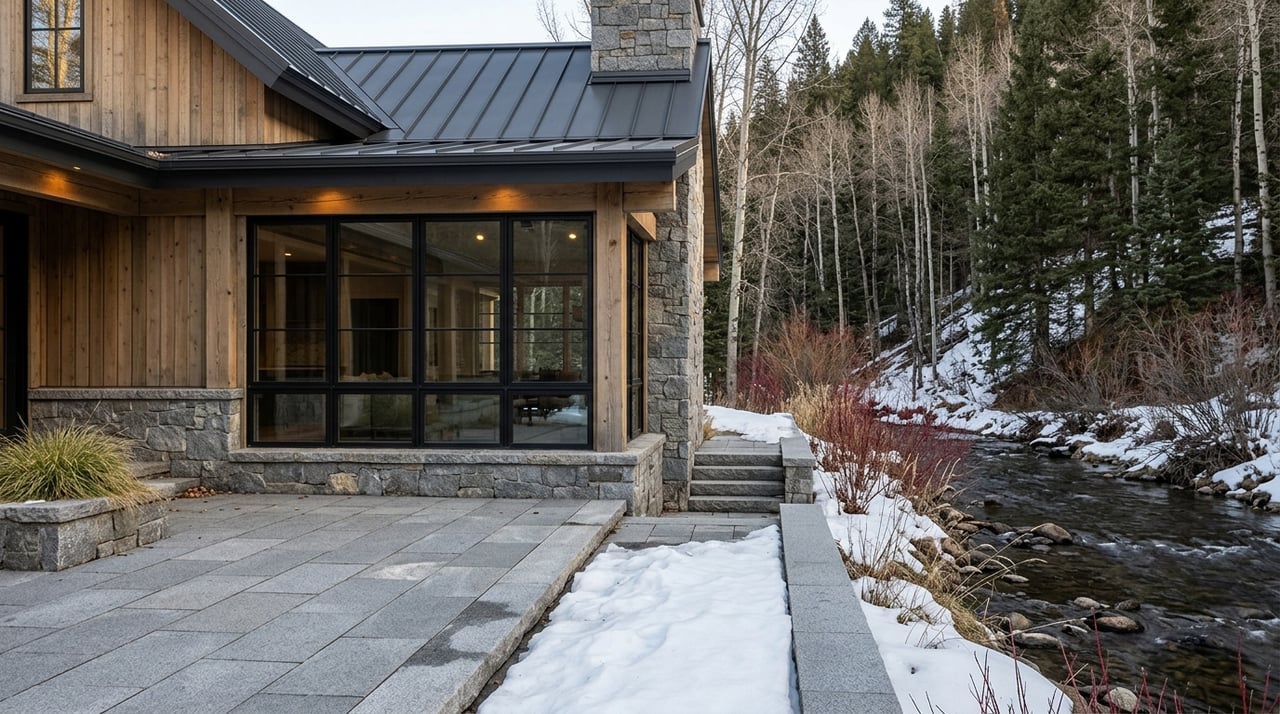
Riverfront living in Aspen tends to feel grounded in nature. The Roaring Fork River corridor supports wildlife and warm-season recreation, including rafting, stand up paddle boarding, kayaking, and fishing, and the broader valley trail system links Aspen to Snowmass Village and down valley communities.
In practical terms, that often means your day starts with a trail walk, a bike ride, or simply the sound of moving water outside. The river’s presence shapes the atmosphere in a way that feels calmer and more landscape-focused than lift-side living.
One of the clearest differences is the soundscape. The Roaring Fork has even been called Thunder River because of its roaring sound during spring runoff, which gives river-adjacent homes a strong sense of season and place.
If you use Aspen heavily in spring, summer, and fall, riverfront living can be especially compelling. The river corridor connects you to trails, biking routes, and open space in a way that supports a more nature-forward rhythm.
For some buyers, that daily connection to the valley matters more than being close to ski operations. You may still enjoy winter in Aspen, but your home base feels tied to the landscape rather than centered on resort activity.
Not every home described as riverfront offers the same experience. In Aspen and Pitkin County, properties along streams, rivers, lakes, and ponds may include wetlands or riparian areas, and these can affect setbacks, usable land, and future plans for the property.
Pitkin County treats these areas as important natural buffers. Its land use code addresses minimum setbacks from streams and may require greater setbacks to help protect streamside vegetation, wetlands, or riparian habitat.
Floodplain review is also an important step. Pitkin County adopted updated flood insurance maps in 2019, and the City of Aspen provides floodplain and flood-damage-prevention resources, so buyers should confirm whether a property is truly riverfront, river-adjacent, or subject to additional site limitations.
The river is dynamic, and Aspen’s water conditions shift with the seasons. Spring runoff can create a louder, more dramatic river presence, while late summer is typically the time when water resources are most at risk because snowpack and streamflows are lowest.
That does not make riverfront living less desirable. It simply means the experience is shaped by real environmental conditions, which many buyers see as part of its authenticity and appeal.
Slope-side living is built around convenience, energy, and direct connection to Aspen Mountain. Aspen Snowmass describes Aspen Mountain as the town mountain, with runs that lead to the heart of Aspen, which captures the appeal clearly.
For many buyers, slope-side means you can move easily between home, lifts, and downtown. That pattern supports a ski-first lifestyle, but it also creates a more social and active daily pace, especially during peak winter periods.
A useful example is the Shadow Mountain Condominiums, which Aspen Snowmass notes are about 50 feet from Lift 1A and still within walking distance of downtown Aspen. That shows how close some homes can be to the mountain while still keeping town within easy reach.
If skiing is the center of your Aspen lifestyle, slope-side living is hard to beat. It reduces friction in your day, makes mountain access easier, and keeps you close to the parts of Aspen that stay active during the winter season.
There is also a visibility and energy factor. Aspen Snowmass highlights that the après scene is always on, so buyers who enjoy being near that pulse often prefer a home that feels connected to the movement of the mountain and town.
Views can be part of the draw as well. Aspen Mountain terrain includes outlooks toward Independence Pass and the valley floor, including views of the Roaring Fork River and North Star Nature Preserve.
It is easy to think of slope-side living as a winter decision, but Aspen Mountain remains active in summer too. Summer use includes hiking routes, yoga on the mountain, classical Saturdays, bluegrass Sundays, disc golf, and Silver Queen Gondola service.
That said, the rhythm changes by season. Winter is naturally the most ski-driven period, while summer access operates on a different calendar and has a different feel, so buyers should think about whether they want year-round mountain activity or primarily winter convenience.
The term slope-side can cover a wide range of property types. Some homes are truly ski-in/ski-out, some are lift-adjacent, and others are better described as mountain-view or short-walk-to-lift properties.
That distinction matters in Aspen, where small differences in access can shape daily use and long-term value. Buyers should confirm exactly how a property connects to lifts, trails, and downtown rather than relying only on a broad label.
| Lifestyle Factor | Riverfront Living | Slope-Side Living |
|---|---|---|
| Daily rhythm | Nature-forward and quieter | Ski-focused and more active |
| Strongest seasons | Spring, summer, and fall | Winter, with summer mountain activity |
| Signature access | River corridor, trails, biking, wildlife | Lifts, ski runs, downtown proximity |
| Atmosphere | Water-centered and landscape-driven | Social, visible, and resort-connected |
| Key due diligence | Wetlands, riparian setbacks, floodplain | True ski access and lift proximity |
Riverfront living may be the better fit if you picture Aspen as a place to slow down, spend time outdoors beyond skiing, and stay closely connected to the valley landscape. It often suits buyers who want a home that feels private, grounded, and tuned to the rhythm of water and trails.
This can be especially attractive if you are in Aspen across multiple seasons. The river corridor supports a broader outdoor lifestyle that extends well beyond winter.
Slope-side living may be the stronger match if your priority is ski access, walkability, and a more connected winter pace. If you want Aspen to feel immediate and active the moment you step outside, this setting often delivers that more directly.
It can also appeal to buyers who value easy movement between the mountain and downtown. In Aspen, that blend of resort access and town access is a major part of the lifestyle.
In the luxury market, labels can sound similar while the actual experience varies quite a bit. A river property should be confirmed as true river frontage versus simply river-adjacent, and a slope-side property should be verified as ski-in/ski-out, lift-adjacent, or mountain-view.
That clarity is where smart buying starts. When you understand the real access pattern, you can choose the version of Aspen that supports your life now and protects your priorities over time.
If you are weighing riverfront versus slope-side living in Aspen, a thoughtful property search can quickly clarify which setting aligns with your lifestyle, privacy preferences, and seasonal use. For tailored guidance and discreet local insight, Ashley Feddersen can help you navigate Aspen’s luxury market with confidence.
Stay up to date on the latest real estate trends.