Winter in Aspen for Homeowners: How the Season Works
May 28, 2026
May 28, 2026
Winter in Aspen asks a little more from homeowners, and that is part of its appeal. You get world-class skiing, a full social calendar, and a town that stays active all season, but you also need a plan for snow, parking, and daily movement. If you are thinking about owning, renting, or spending more time here in winter, this guide will help you understand what everyday life really looks like. Let’s dive in.
Winter in Aspen tends to move at a different pace than in many mountain towns. With Aspen Mountain ending right in town and four mountains shaping the broader resort experience, your days often revolve around short trips between home, the slopes, and downtown rather than long drives.
That makes winter living feel efficient and connected. You can build a day around a ski morning, lunch in town, and an evening event without constantly getting in the car. For many homeowners, that ease is one of Aspen’s biggest lifestyle advantages.
Aspen Snowmass is built around Aspen Mountain, Aspen Highlands, Buttermilk, and Snowmass. Together, they create a winter season that blends skiing with dining, culture, and town life.
Aspen Mountain stands out for homeowners who value in-town access. It is known as the town mountain, with runs ending in the heart of Aspen, which helps explain why many winter days feel compact, social, and easy to navigate.
Aspen is not a quick holiday market when it comes to winter. Aspen Snowmass’s latest published winter season runs from November 26, 2026, through April 18, 2027, giving owners a long window for personal use, guest stays, or seasonal planning.
Snow is also a real part of the lifestyle. The City of Aspen says the area gets more than 150 inches of snowfall each year, which shapes everything from property upkeep to how you think about transportation and parking.
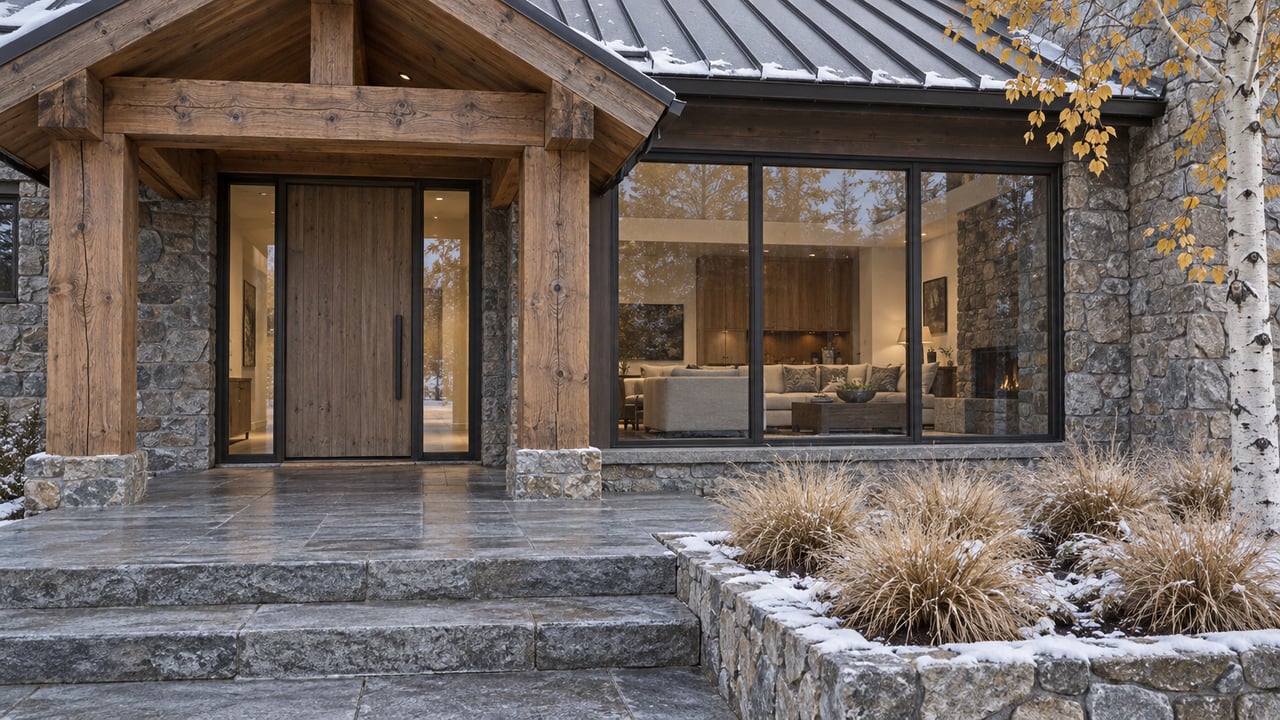
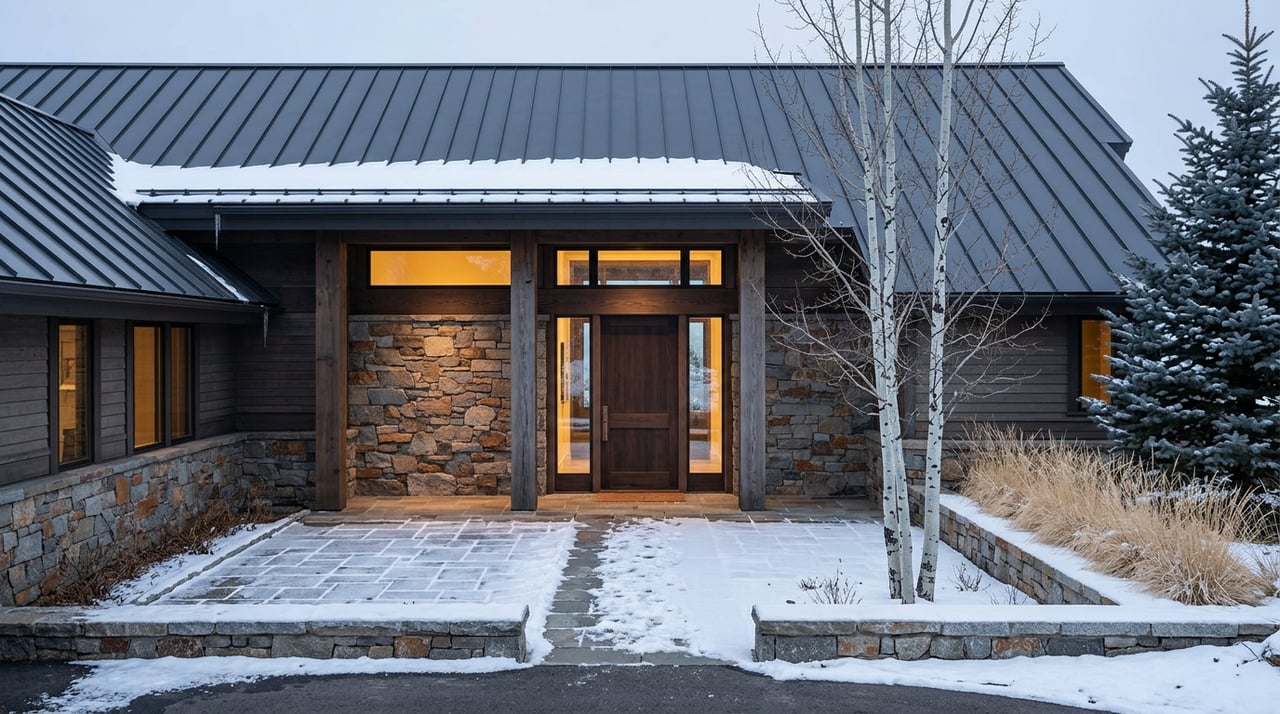
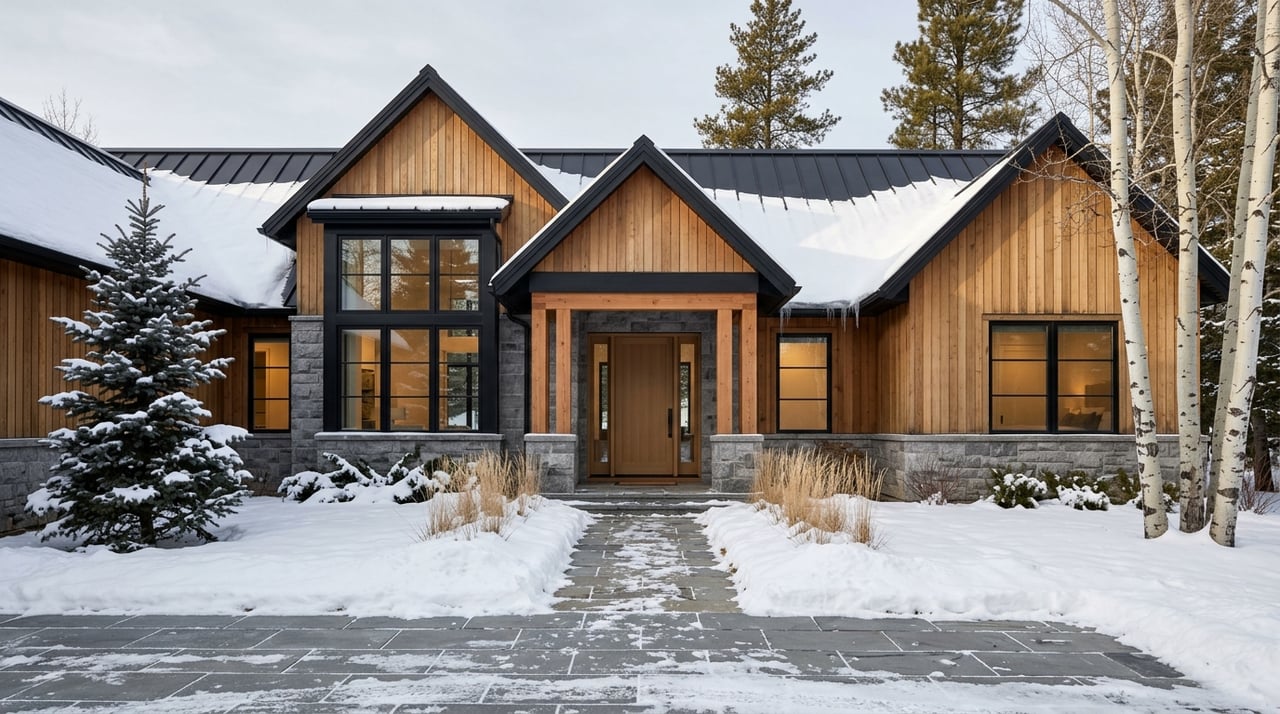
Owning a home in Aspen during winter means planning for snow as a routine responsibility, not an occasional surprise. The City of Aspen makes clear that property owners and residents are responsible for clearing sidewalks and driveways within three hours after snow stops or after daybreak.
That timeline matters because winter storms can affect both safety and convenience very quickly. If you are a full-time owner, this becomes part of your regular rhythm. If you are a second-home owner, it is something to prepare for before the season begins.
The city states that it is not responsible for private sidewalks, driveways, or mailboxes. It also says snow should not be pushed into streets or sidewalks, and residents should keep fire hydrants clear.
These are practical details, but they shape day-to-day ownership. A beautiful winter setting comes with real operational needs, and the smoothest winter homeowners are the ones who plan ahead for them.
The Streets Department works 24 hours a day, 7 days a week in winter. That supports overall mobility in town, but it does not replace a homeowner’s private maintenance responsibilities.
The takeaway is simple: Aspen is well managed in winter, but private property still requires attention. If you value easy arrivals, clear access, and less stress during storms, having a reliable plan matters.
In Aspen, parking is not something you want to figure out after a snowstorm. The downtown core prohibits parking from 3 a.m. to 7 a.m. so streets can be cleaned and plowed, and violations during snow removal can lead to fines, towing, and storage costs.
That means even occasional overnight parking habits can create problems in winter. For homeowners, especially those with guests, understanding these rules is part of making the season feel seamless.
A few city rules are especially important:
If you use your Aspen home seasonally, these rules are worth reviewing with anyone staying at the property. A simple parking plan can save a lot of hassle.
One of Aspen’s most appealing winter lifestyle features is that you may not need to drive every day. The city highlights free shuttles, free airport buses, and the Downtowner door-to-door service, while RFTA says Aspen-Snowmass service is fare-free.
For many owners, this changes how winter feels. Instead of coordinating every errand or outing around a vehicle, you can often move through town and between destinations with much less effort.
Aspen’s winter transportation network includes several useful options:
For second-home owners in particular, this can make shorter stays easier to manage. If your property is well positioned for in-town access, winter can feel less like a logistics exercise and more like the lifestyle people picture when they think of Aspen.
Aspen’s winter identity is closely tied to skiing, but homeowners quickly find that the season is also social and cultural. The winter calendar highlighted by the Aspen Chamber includes Wintersköl, Aspen Gay Ski Week, X Games Aspen, plus a broader mix of arts, culture, dining, and hospitality.
That variety matters if you use your home for entertaining or simply want more from the season than ski days alone. Winter in Aspen stays active on and off the mountain.
Aspen Art Museum offers free admission and a free rooftop Après Series on select Saturdays in winter. The broader winter calendar also includes programming at the Wheeler Opera House, Aspen Institute events, and Aspen Film screenings.
For homeowners, this creates a fuller rhythm to the season. You can have a ski-focused weekend, a culture-focused weekend, or a mix of both without leaving town.
The Winter Market runs monthly from December through March, adding another layer to winter life. It brings local shopping and a sense of seasonal routine that many homeowners appreciate.
This is one reason Aspen continues to feel lively even in the middle of winter. The lifts may be the headline, but the town experience extends well beyond them.
If you enjoy hosting, Aspen winter offers built-in momentum. A ski day can naturally lead into lunch, après, or an evening event, and Aspen Mountain’s on-mountain and in-town dining scene supports that flow.
The resort highlights places like Bonnie’s, Ajax Tavern, The Sundeck, and Eleven212 as part of the mountain-day experience. For homeowners, that means guests often have an easy time understanding the rhythm of a visit, even if they are new to Aspen.
In winter, location is not just about views or architecture. It affects how quickly you can get to the mountain, how easily guests can move around, and whether daily life feels simple or overly planned.
That is especially true in areas close to the Aspen Core and nearby neighborhoods where access to town and winter activity can be part of the value. A home that supports easy movement can shape your entire experience of the season.
If you are considering buying in Aspen, winter lifestyle should be part of your decision, not just square footage or finishes. Snow management, parking realities, walkability, and access to transit all play a role in how a property lives from December through spring.
For current owners, these same factors can influence how often you use the home, how comfortably you host, and how smoothly a seasonal stay unfolds. In a market like Aspen, the right property is often the one that supports both the beauty and the practical demands of winter.
Whether you are searching for an in-town residence, a seasonal retreat, or a luxury rental opportunity, it helps to work with someone who understands how winter living actually functions on the ground. If you want tailored guidance on Aspen homes, seasonal rentals, or property strategy, Ashley Feddersen can help you navigate the market with discretion, clarity, and local insight.
Stay up to date on the latest real estate trends.