Living in Aspen Core: Everyday Downtown Lifestyle
February 5, 2026
February 5, 2026
What if you could walk to coffee, step onto a gondola for first tracks, then catch a world-class concert after dinner, all without getting in your car? If that mix sounds like your pace, Aspen Core might be your perfect base. You want convenience, culture and access wrapped into one compact downtown. In this guide, you’ll learn how daily life feels in Aspen’s most walkable neighborhood, from winter rhythms to summer festivals, plus practical tips on housing, parking and regulations. Let’s dive in.
Aspen Core is the town’s downtown heart. It is a compact grid of pedestrian‑friendly streets lined with shops, galleries, and restaurants, with the base of Aspen Mountain just steps away. You live at roughly 8,000 feet, so the air is thin and the sun is bright. Give yourself time to acclimate, drink plenty of water and use sunscreen, especially in your first weeks.
You are close to everything. The Silver Queen Gondola rises from the center of town, and the airport sits a short drive away. For regional trips or a car‑free routine, the Roaring Fork Transit Authority connects you to Snowmass, Basalt and Glenwood Springs on reliable routes.
Living in the Core means most of your day can happen on foot. Coffee, a workout, a gallery stop and dinner are often within a few blocks. In winter the city clears sidewalks, but you will want proper footwear and a steady pace on icy mornings. The payoff is a car‑optional lifestyle that feels rare in a mountain town.
You can use local shuttles and RFTA buses for errands and resort connections. Many residents keep a vehicle for flexibility, but it is realistic to do daily life without one. The Aspen Snowmass network and in‑town shuttles make it simple to reach Highlands, Buttermilk and Snowmass when you want to ski beyond Aspen Mountain.
Parking in the Core tightens during peak travel weeks and major events. Many condos include garage parking or a designated spot, which helps. If you plan to drive in winter, choose 4WD or AWD and fit winter tires. Roads are well maintained, but snow and ice can still slow your day.
Aspen Core delivers an unusually rich arts and culture calendar for a small town. You can browse contemporary art at the Aspen Art Museum, catch a talk at the Aspen Institute, or enjoy a summer concert with the Aspen Music Festival & School. The schedule builds in late spring, peaks in summer and during the winter holidays, and steadies again through shoulder seasons.
Cultural programming is consistent and high quality. In summer, music, ideas and film events draw global talent to intimate venues. In winter, the town’s galleries, museums and performance spaces give you options after skiing. You can explore lineups and dates through the Institute and the Music Festival’s event calendars.
You will find a mix of chef‑driven dining, casual après spots and local coffee bars within minutes of your door. Shopping ranges from outdoor outfitters to boutiques and galleries. Groceries and essentials are close by, with larger options downvalley. For care, Aspen Valley Hospital and local clinics provide primary, urgent and emergency services within the community.
Aspen’s seasons shape your days in the Core. The town feels energetic in winter and summer, then a touch quieter in spring and fall. You can plan your routine around these rhythms.
If you love to ski, living in the Core is hard to beat. You can walk to the Silver Queen Gondola for quick mountain access or hop a shuttle to Highlands or Snowmass. After skiing, you can choose a low‑key après or a lively scene, all within a few blocks. Expect more noise and activity on winter weekends and holidays. Snow is a part of daily life, so you will manage boot trays, gear storage and occasional snow removal even in condo buildings.
Summer leans outdoors. You can hike, bike and get on the river, then return for a concert or an evening talk. Iconic destinations like Maroon Bells are a short drive, with some sites shifting to seasonal shuttle systems to manage high visitation. Shoulder seasons are calmer. Some businesses scale back hours, and the streets feel quieter. Many residents enjoy the slower cafe routine and open sidewalks.
Most Core properties cater to a lock‑and‑leave lifestyle. You trade yard space for proximity, and you pay a premium for that convenience.
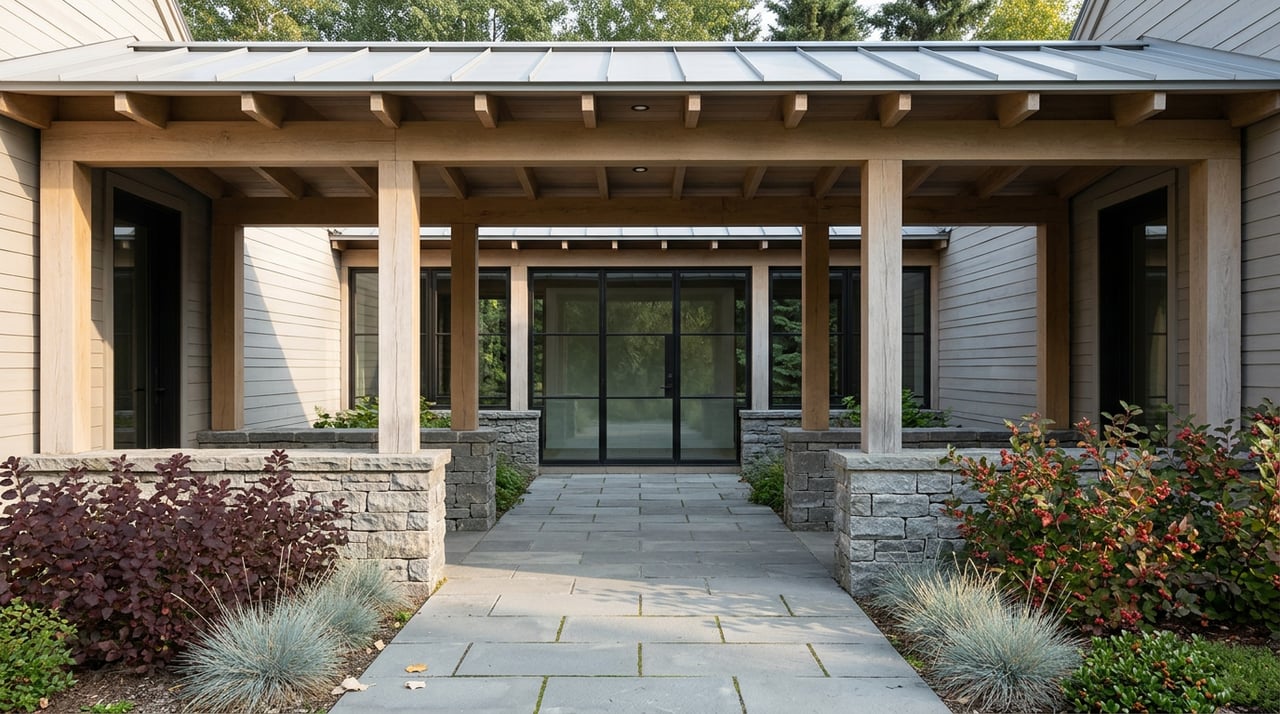
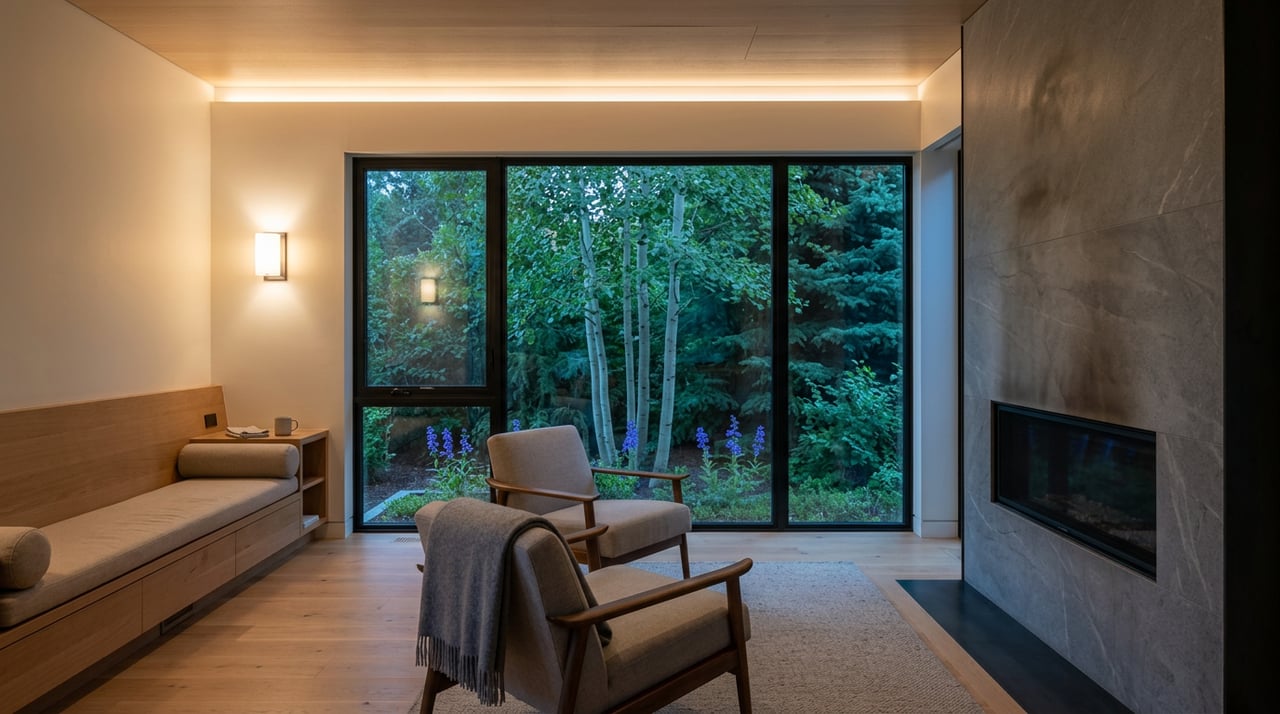
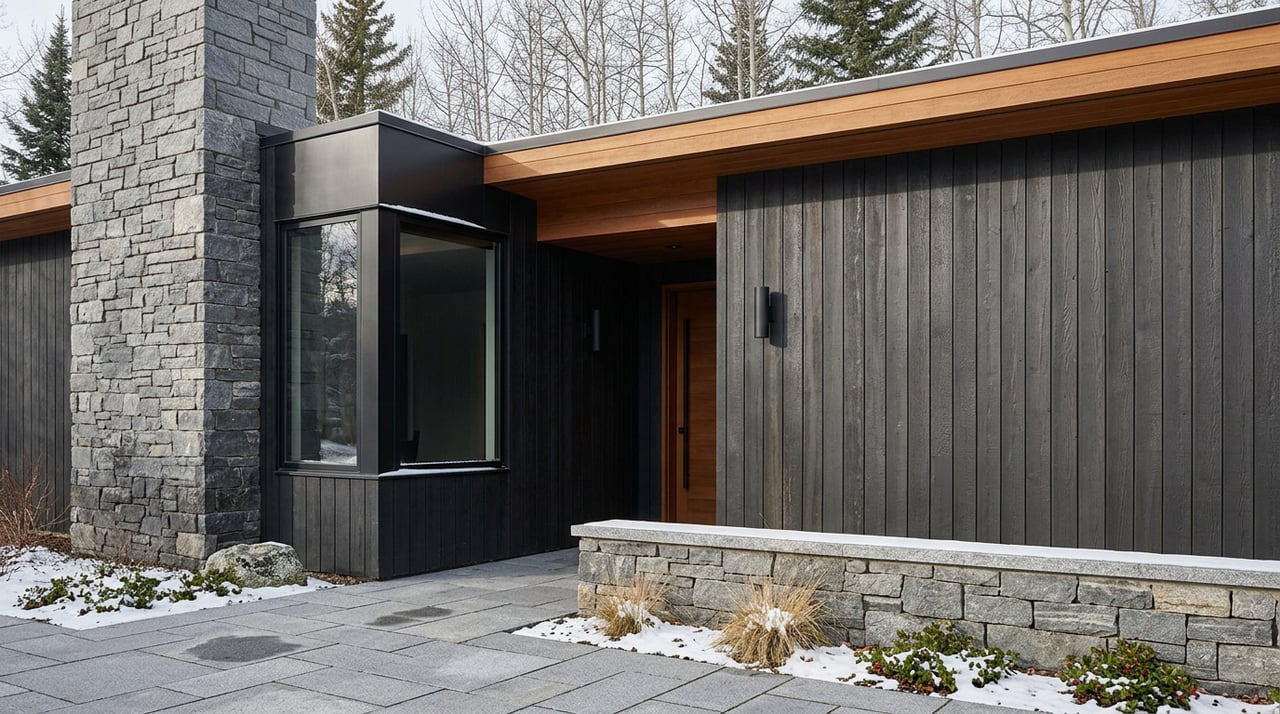
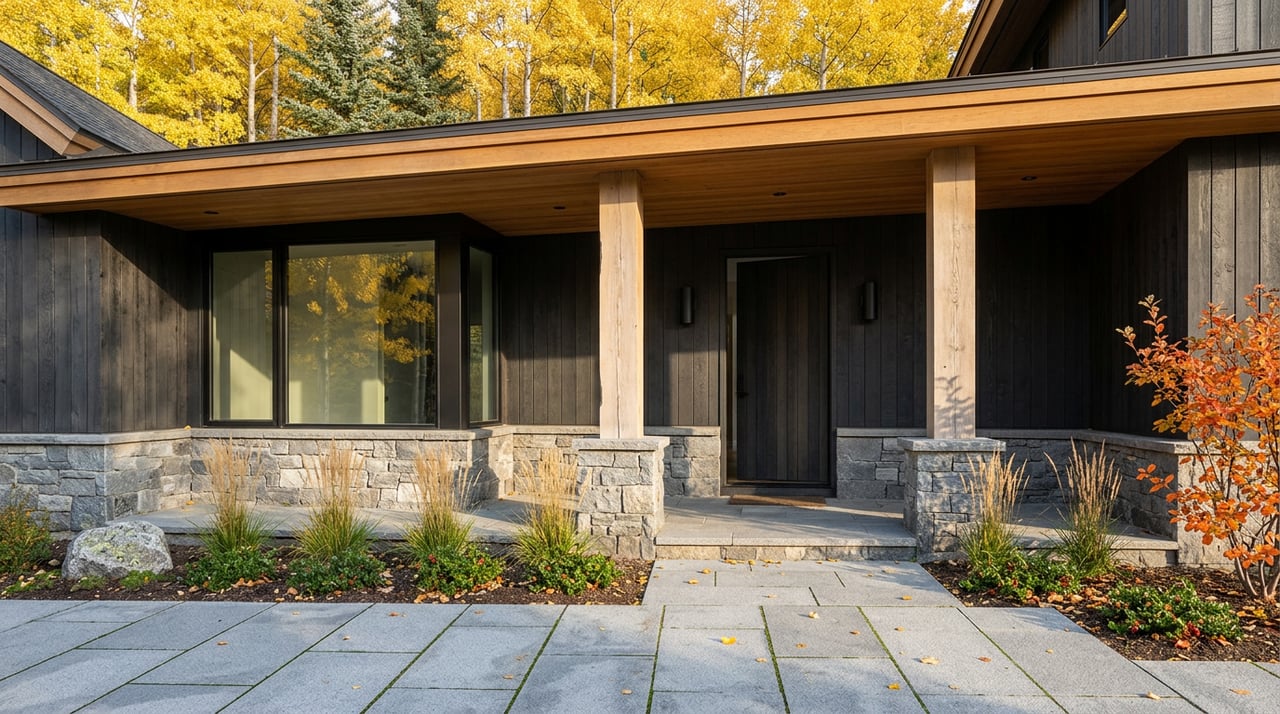
Condominiums and townhouses dominate downtown. You will see a mix of historic buildings and high‑end remodels, often with shared amenities. Single‑family homes are more common just beyond the Core, some still within a comfortable walk depending on the lot and street. A large share of Core properties are second homes, so occupancy can ebb and flow with seasons.
Aspen is one of the most expensive markets in the country. Small‑footprint properties in the Core often command premium pricing. Plan for ongoing expenses such as property taxes, HOA dues, utilities and routine maintenance. If you intend to use a property as a part‑time residence, factor in seasonal staffing or property management to handle arrivals, snow and systems.
Before you count on rental income, review local short‑term rental rules. The City of Aspen licenses and enforces short‑term rentals, with requirements that can include permits, occupancy limits and minimum stays. Building height limits, design guidelines and historic preservation also shape what you can change or redevelop downtown. If you need property records or land‑use information, start with Pitkin County resources and consult city planning or a local attorney for specific questions.
Sometimes the best way to picture a place is to walk through a day. Here are three realistic snapshots.
You step out for coffee and a warm breakfast a block from home. The air is crisp and dry, the light is bright, and the sidewalks crunch under your boots. Five minutes later you are at the gondola, watching the cabins glide overhead. After a few morning laps, you ski back to town for a late lunch and a quick gallery visit. Evening is either a quiet night by the fire or a performance at a nearby venue.
You pick up pastries on a sunny patio, then head for a short hike before the midday warmth. In the afternoon, you stop by the Aspen Art Museum or a matinee. As the sun softens, you meet friends for dinner outdoors. You cap the night with a concert presented by the Aspen Music Festival & School or a lecture hosted by the Aspen Institute.
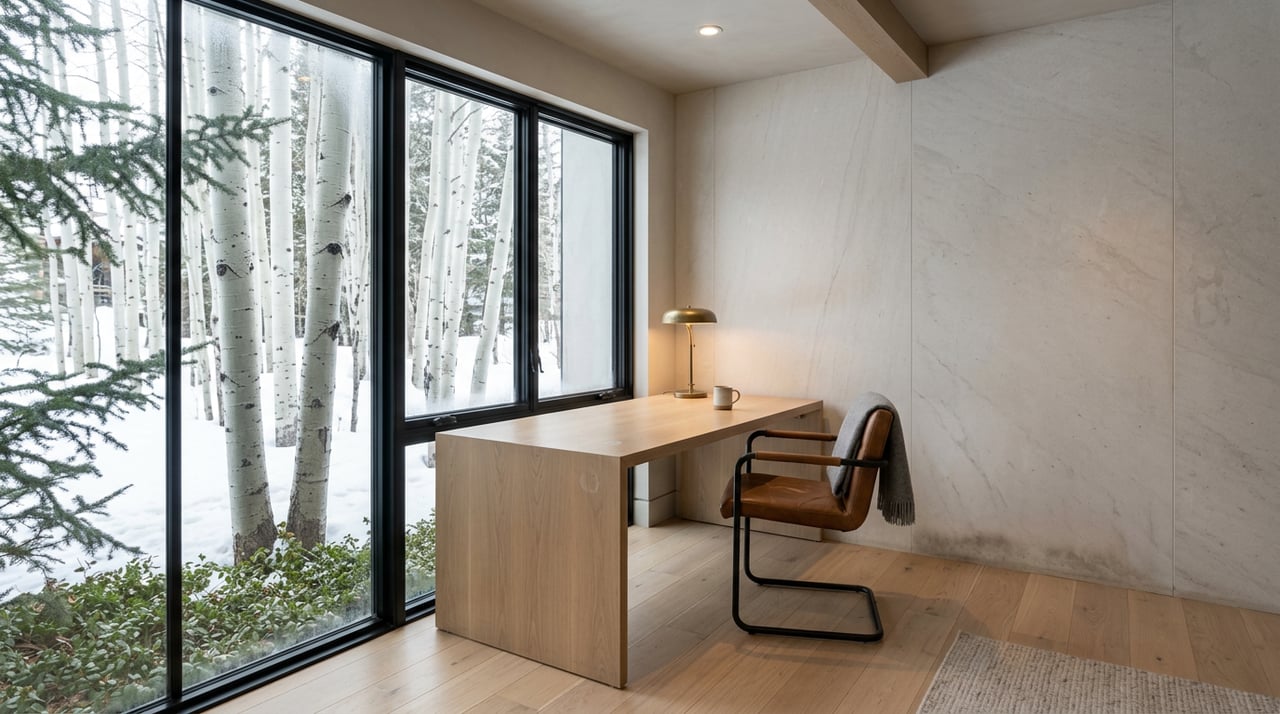
You start in your home office or walk to a coworking spot. Midday, you stretch your legs for errands: groceries, mail and a coffee. In winter, a quick ski at lunch is realistic if your schedule is flexible. Evenings are social or community‑oriented, with meetings and events that keep you connected.
Altitude affects sleep, hydration and energy until you adjust. Drink more water than you think you need and take it easy on your first workouts. The sun is strong at elevation, so make sunscreen and sunglasses part of your daily kit. In winter, keep a small boot brush by your door and a routine for drying gloves and layers to simplify your mornings.
Choose Aspen Core if you value proximity above space. You can walk to lifts, dining and culture, and you can rely on transit for most of your movement. Expect premium pricing, seasonal crowds and the logistics of mountain weather. Many buyers see those tradeoffs as worthwhile for the convenience and the daily variety the Core provides.
If you are weighing options between the Core and nearby neighborhoods, it helps to compare walkability, privacy and property types side by side. A strategic search can uncover quiet corners within the Core and off‑market opportunities close to downtown. If you want a tailored look at what fits your lifestyle, connect with Ashley Feddersen to schedule a confidential consultation.
Stay up to date on the latest real estate trends.