Aspen Core vs Wider Aspen Homes: Which Fits Your Lifestyle?
February 19, 2026
February 19, 2026
Should you be steps from the gondola and galleries, or trade a few minutes in the car for privacy and panoramic views? Choosing between Aspen’s Core and the wider Aspen area usually comes down to how you like to live day to day. In this guide, you’ll compare ski and lift access, walkability, space and privacy, rental rules, and practical factors like schools, transit, and the airport. By the end, you’ll have a clear sense of which setting fits your lifestyle. Let’s dive in.
The Aspen Core delivers an urban-resort lifestyle: a compact, walkable grid anchored by Gondola Plaza and a dense mix of condos, hotels, shops, and dining. Many residents walk to lifts, errands, and nightlife. Outside the Core, neighborhoods like West Aspen, East Aspen, Red Mountain, and Woody Creek offer larger lots, more single-family homes, quieter streets, and big views. You trade some walkability for space, privacy, and easier parking.
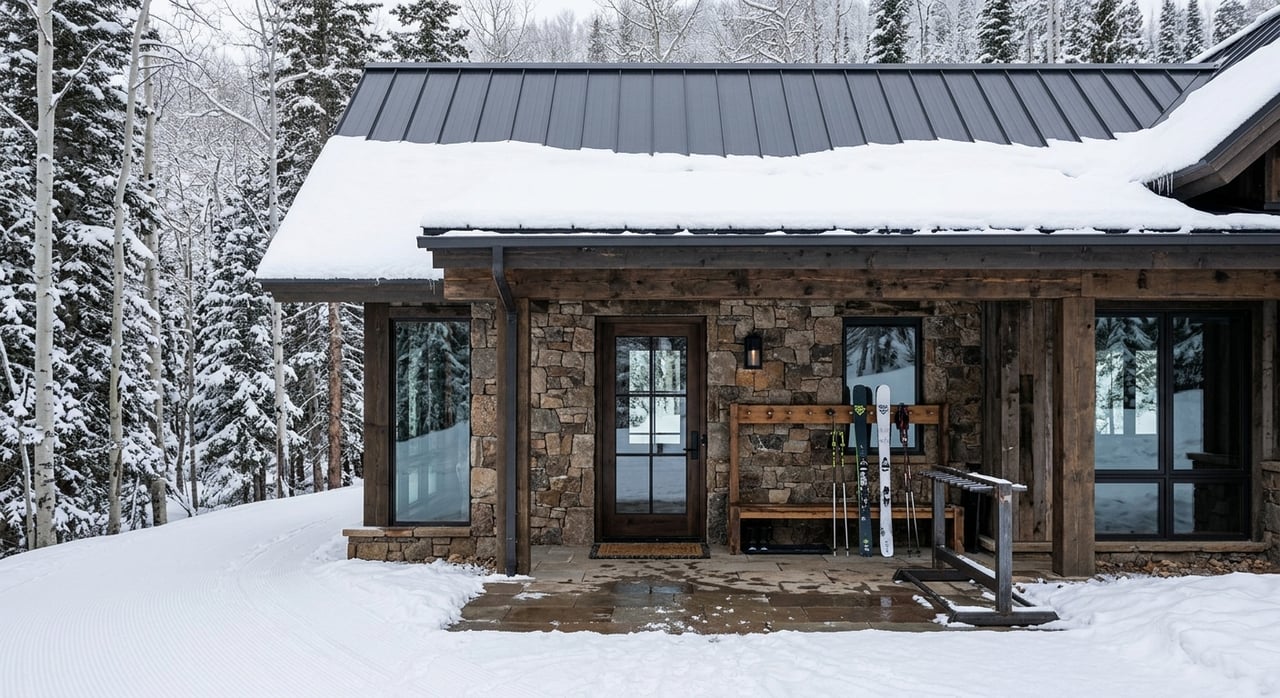
If you want to walk to skiing, the Core is the benchmark. The Silver Queen Gondola departs right from downtown, so many condos and hotels are a short stroll to the plaza. Aspen Mountain, known locally as Ajax, is the in-town peak with steeper, expert‑leaning terrain and no beginner runs, so new skiers often head to Buttermilk or Snowmass. For a broader ski menu, buyers look across all four mountains. Buttermilk and Aspen Highlands are quick drives from town, and Snowmass Village, the largest, sits about 8 to 9 miles south with robust shuttle connections. True slopeside inventory is more common in Snowmass Base Village and select Highlands and Buttermilk enclaves than in most downtown residential blocks.
Downtown is exceptionally walkable. The Core is only several blocks across, and you can reach groceries, restaurants, galleries, and the gondola in minutes. With the RFTA bus network and the local Downtowner on‑demand shuttle, many Core residents rely less on a car for daily needs. Outside the Core, you gain space and privacy with short, simple drives back into town for errands. Neighborhoods like West Aspen, East Aspen, Cemetery Lane, and the Aspen Highlands corridor balance quick access with quieter streets. Snowmass Village has its own restaurants and shops near the slopes, though it is a separate hub from downtown.
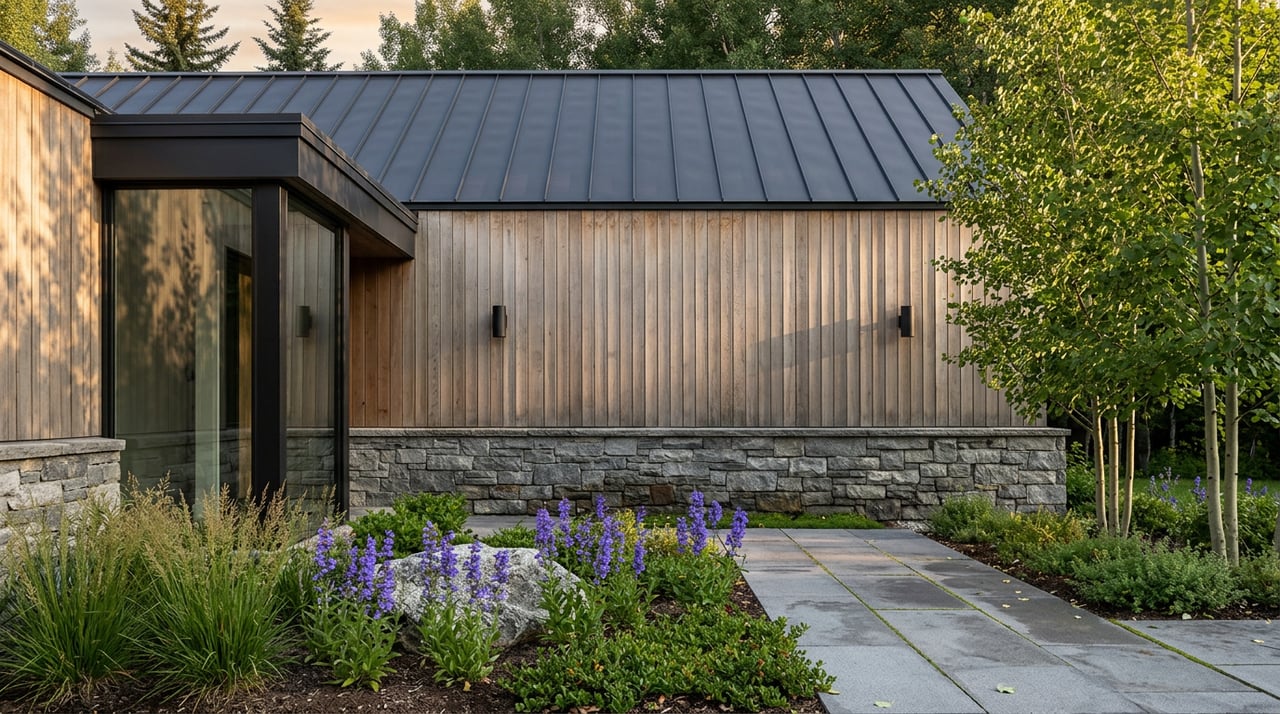
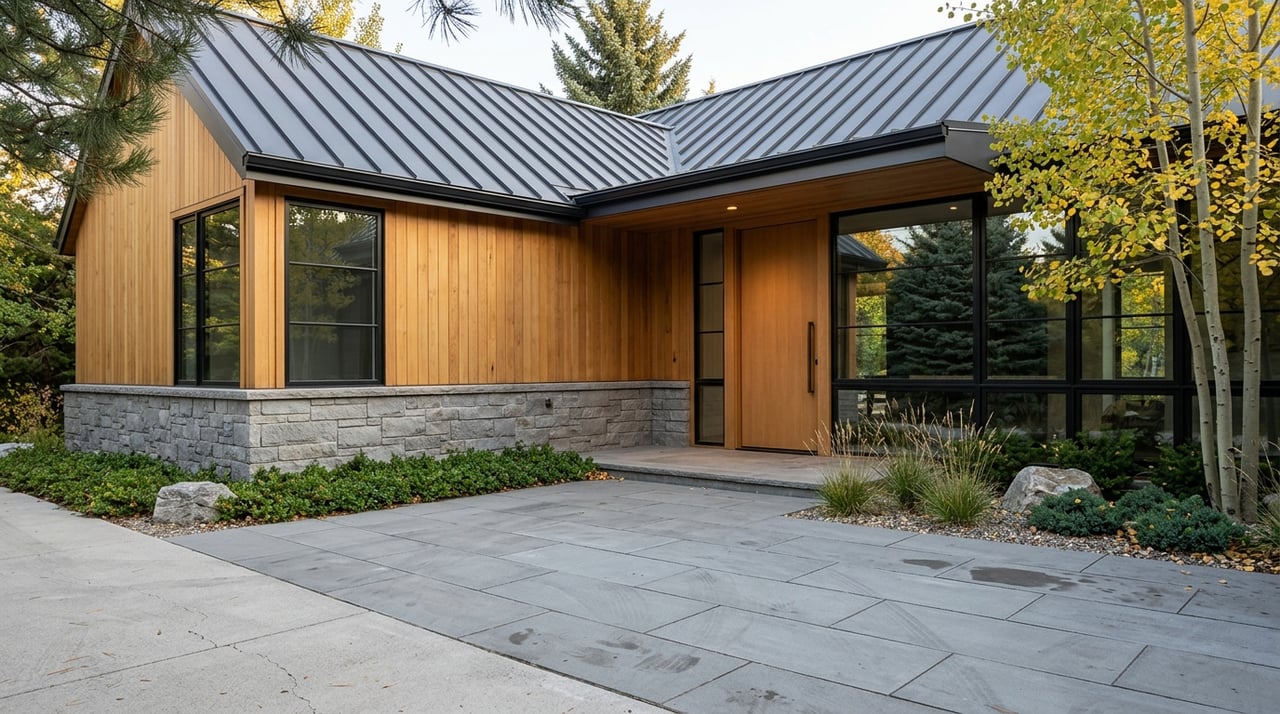
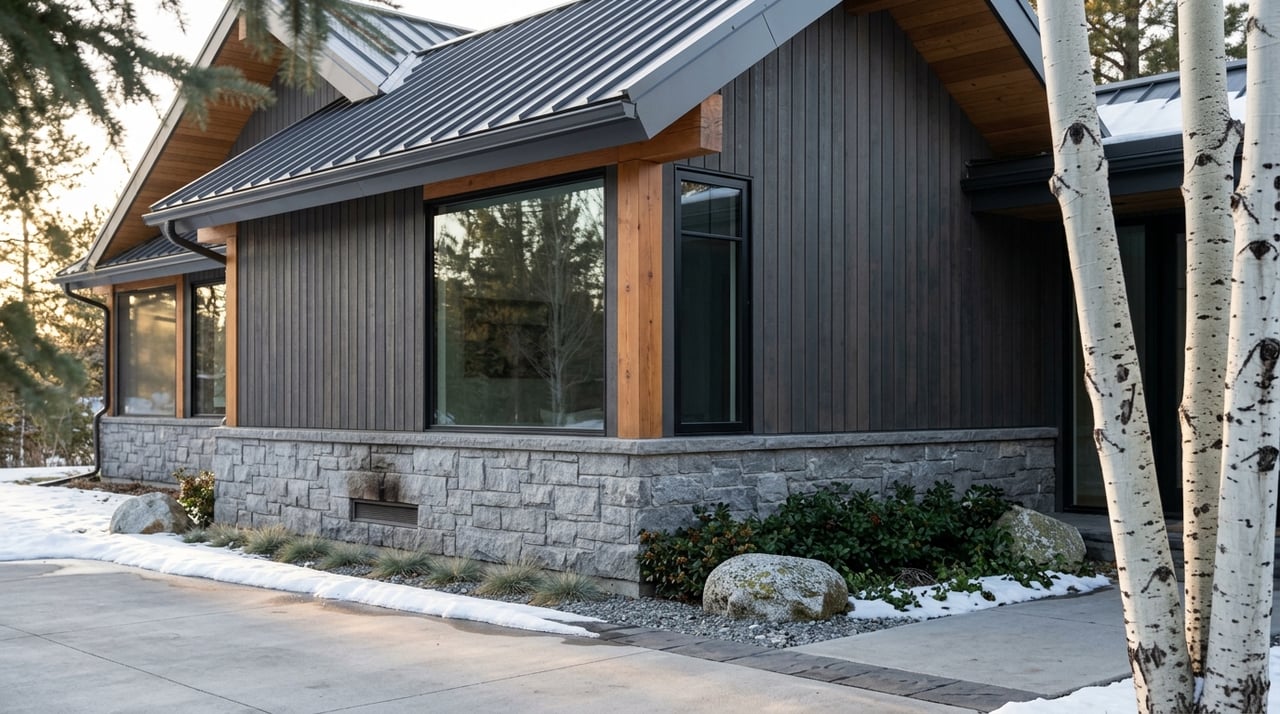
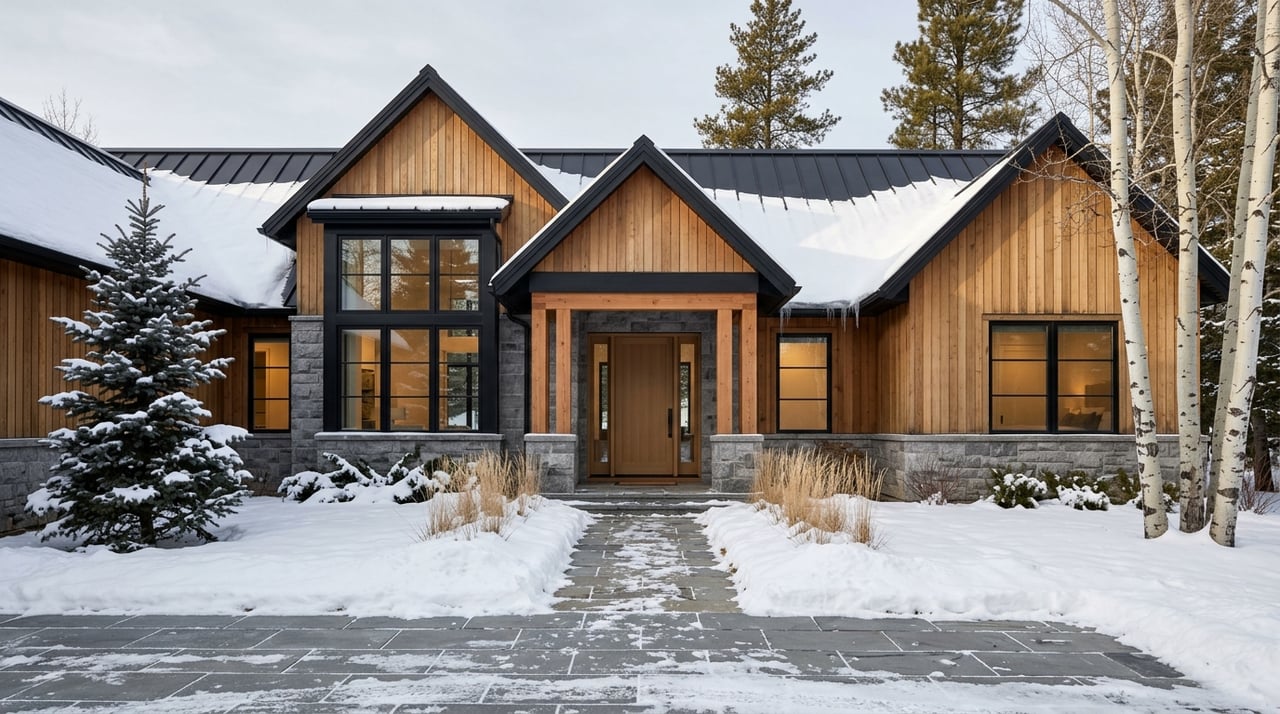
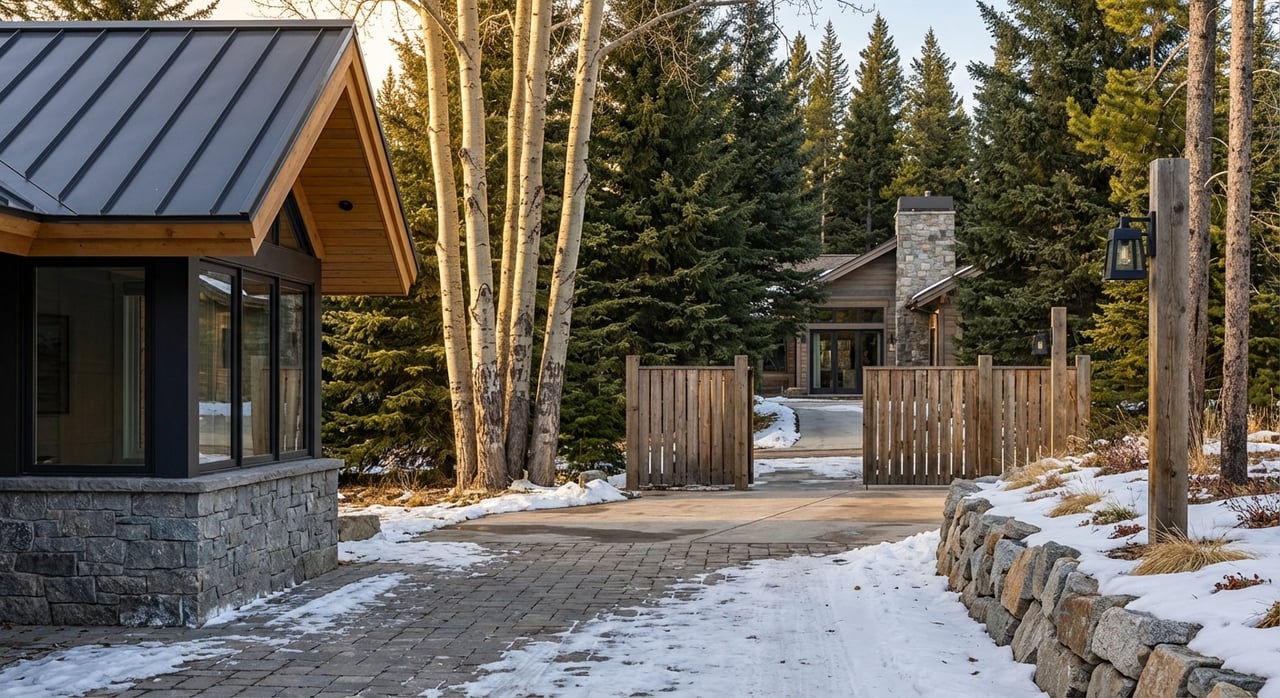
The Core skews toward condos and townhomes, so large yards are uncommon. If you value seclusion and sweeping vistas, look to Red Mountain and Willoughby Way for high-elevation panoramas, or McLain Flats, Owl Creek, Old Snowmass, and Woody Creek for more land and a rural feel. These areas often feature estate-scale parcels, river or valley outlooks, and a stronger sense of retreat, balanced by routine car usage for dining, culture, and school commutes.
Aspen is a global luxury market with premium pricing and low inventory. According to the Estin Report for H1 2025, the median sold price for Aspen single-family homes was about 18.1 million dollars with a median of roughly 3,965 dollars per square foot. For Aspen condos, the median was about 3.1 million dollars and around 3,536 dollars per square foot. The report also noted a high share of cash transactions, reported at over 70 percent. Downtown condo product often sees broader buyer demand and can be easier to rent or manage than large estates, which are rarer and sell more episodically.
Aspen and Pitkin County updated their short-term rental frameworks to limit future growth in many residential zones. The city created three permit types and placed caps on the traditional “Classic” permits in several neighborhoods, while preserving more permissive operations in core lodging and commercial zones. In practice, many downtown buildings in lodge or commercial districts remain STR-friendly, and many residential zones outside the Core face caps or waitlists. Because eligibility varies by parcel, always verify permit status before modeling rental income.
Whether you choose town or the hills, logistics matter. RFTA buses and the Downtowner make car‑light living feasible in the Core, and parking is limited downtown. Outside the Core, most residents use a car for daily life. The Aspen/Pitkin County Airport (ASE) sits about 3 miles northwest of downtown, which is convenient for frequent flyers, although seasonal schedules and parking rules can affect trip planning.
Families planning year‑round living typically consider proximity to schools and medical care alongside home features. The Aspen School District serves local students from pre‑K through 12 and offers IB programs. Aspen Valley Hospital provides emergency services and a range of outpatient care, with referrals to larger regional centers as needed. Verify school assignment by address during your search.
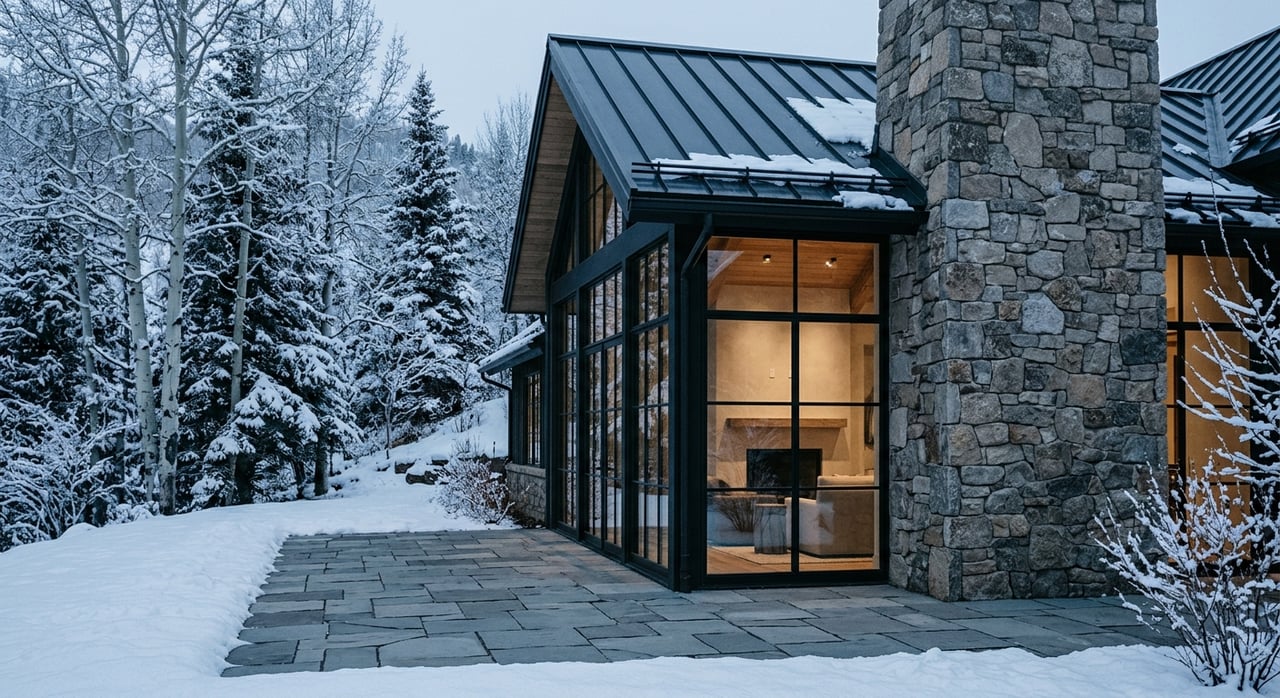
Mountain living brings seasonal responsibilities. Hillside and rural properties often require snow removal, driveway plowing, and winterization at a different scale than downtown condos. Larger, wooded parcels also benefit from wildfire mitigation planning and defensible space, which can influence insurance and maintenance. If you are evaluating an estate or acreage, factor these items into your ownership plan early.
Choose the Aspen Core if you want:
Choose wider Aspen if you want:
Both options deliver the Aspen lifestyle in different ways. If you value car‑free convenience and energy, the Core is a natural fit. If you want space, quiet, and views, the wider Aspen area shines. The best choice aligns with how you plan to use the home, your approach to rental eligibility, and your comfort with maintenance.
If you’d like a tailored shortlist of neighborhoods and on‑ or off‑market opportunities, connect with Ashley Feddersen for a confidential consultation.
Stay up to date on the latest real estate trends.