Condo vs Single-Family Living in East Aspen
December 18, 2025
December 18, 2025
Are you torn between the ease of a condo and the independence of a single-family home in East Aspen? You are not alone. Many buyers weigh convenience against control, especially in a mountain town with real winter and a seasonal market. In this guide, you will learn how HOA scope, maintenance, privacy, parking, rentals, and resale differ in East Aspen so you can move forward with confidence. Let’s dive in.
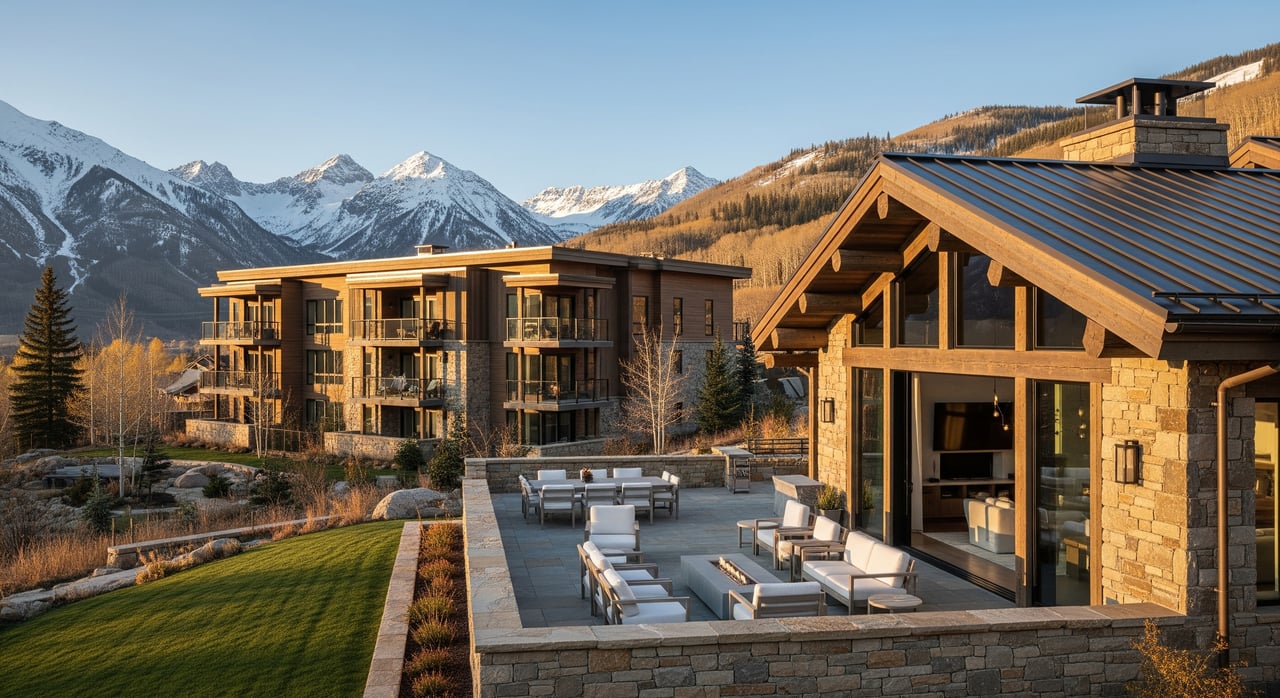
East Aspen sits just east of downtown and blends lower-density single-family streets with a strong mix of condos and duplexes. Many properties are second homes or vacation rentals, which can influence inventory and buyer activity throughout the year. The climate matters here. Heavy snowfall, freeze-thaw cycles, and roof snow loads affect maintenance planning for both ownership types, with larger single-family properties facing higher snow management needs.
Because resort markets shift with seasons and economic cycles, inventory, days on market, and price spreads between condos and single-family homes can change. Before you make a decision, review the latest figures from local market reports so you have a current snapshot of East Aspen conditions.
Most East Aspen condo associations handle exterior maintenance, common-area landscaping, snow removal, building insurance through a master policy, and long-term capital planning through reserves. Many buildings serve second-home owners and may offer hotel-like services. In Colorado, the Colorado Common Interest Ownership Act (CCIOA) outlines HOA powers, required disclosures, and owner rights, which helps you understand your obligations and protections.
An HOA can reduce your personal maintenance load, but the scope varies by complex. Some boutique associations keep things simple with lower dues and fewer amenities. Luxury buildings may include concierge services, enhanced security, and extensive amenities, which can raise monthly fees. Always review what the master policy covers and what remains your responsibility inside the unit.
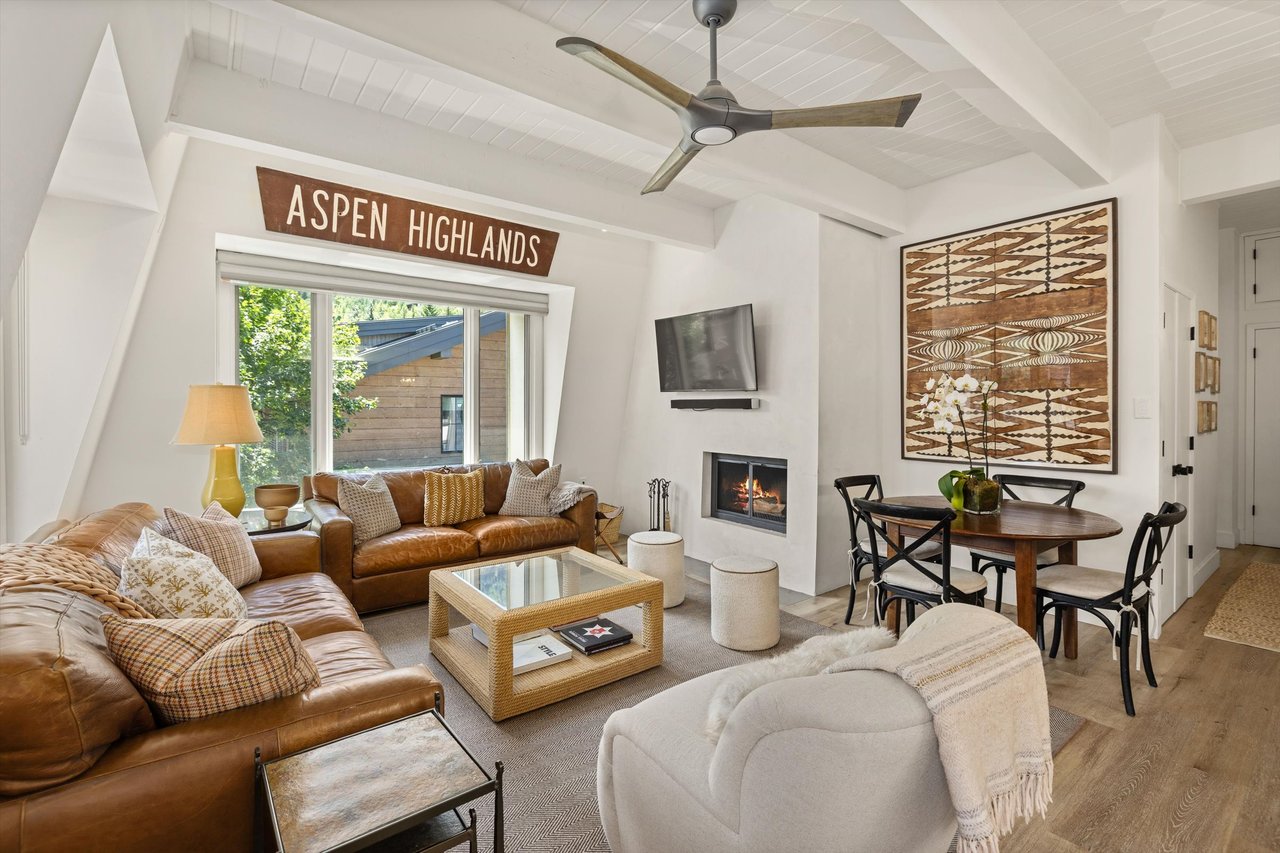
If you want a lock-and-leave setup, condos often deliver. Centralized snow removal, on-site or contracted maintenance, and predictable routines make seasonal use easier. Many buildings designed for vacation living offer ski storage, mudroom areas, or heated garages. These features can simplify arrivals, departures, and gear management during the ski season.
Do thorough HOA due diligence so there are no surprises later. Request and review:
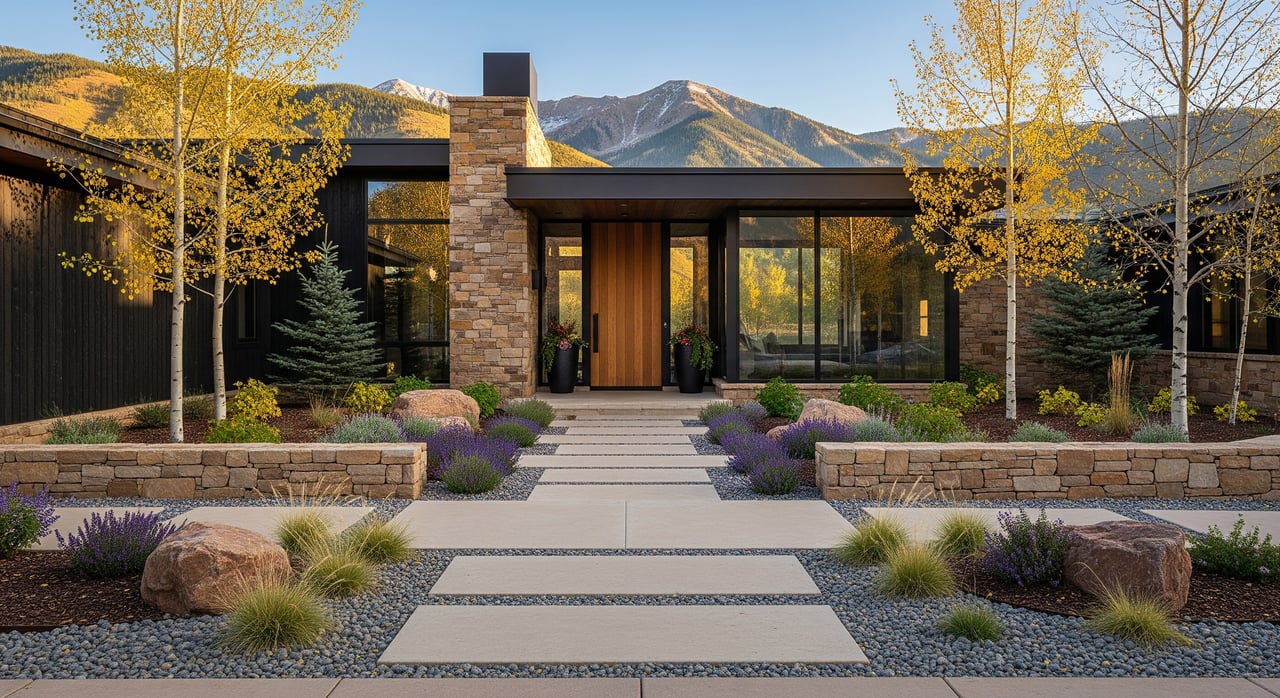
Single-family homes typically provide more space, private yards, and separation from neighbors. You have more freedom to customize, choose your vendors, and manage pets and projects on your own timeline. This autonomy makes single-family ownership appealing for full-time residents and anyone who values privacy and outdoor space.
You assume full responsibility for the structure, exterior, and site. Plan for roof care, exterior paint or siding, driveway upkeep, and all utilities. In East Aspen, snow removal for your driveway and walkways, winterization, and heating system maintenance add meaningful recurring costs. Your insurance is a full homeowner policy that covers the structure, contents, and liability.
Before committing, focus on the systems and access that matter most in the mountains:
Condo parking varies by building. You might see deeded underground spaces, assigned surface parking, or permit-controlled lots. Covered or underground parking is a valuable amenity that reduces snow clearing headaches and can carry a premium in denser locations.
Single-family homes typically include garages and private driveways, though lot shape and topography can create tight access. Plan for plowing, roof snow management where necessary, and safe snow storage on the property. Reliable vendors are a must in peak winter.
Two layers govern rental flexibility in East Aspen: local government rules and your HOA’s documents. The City of Aspen and Pitkin County may require registration or permits for short-term rentals, plus occupancy and tax compliance. Your HOA can be more restrictive than the city or county, with minimum stays, caps, or approval processes.
Action items if renting is part of your plan:
Comparing a condo to a single-family home works best when you line up every cost category side by side. Create a simple worksheet and use conservative numbers for older buildings or homes with deferred maintenance.
Important categories to include:
Condos often appeal to second-home buyers and investors who want a low-maintenance base with potential rental use. This can improve liquidity in certain price tiers, but it also creates sensitivity to HOA stability, rental rules, and lender project approval standards. Underfunded reserves or pending litigation can reduce buyer interest and limit financing options.
Single-family homes typically attract full-time residents and buyers prioritizing privacy and land. Scarcity can help the best properties hold value, but larger homes also carry higher ownership costs. In a seasonal market like Aspen, timing matters. Condos may see more activity during peak visitor months, while single-family buyers often move on a year-round cadence.
If you plan to finance, ask your lender how they evaluate condominium projects in Pitkin County, including owner-occupancy ratios and insurance requirements. For both property types, healthy documentation and condition reports support smoother underwriting and appraisals.
Start with clarity on lifestyle, then validate the numbers. Request HOA documents for any condo you are considering, line up vendor quotes for single-family maintenance, and review the latest local market data. Speak with a lender who understands Aspen condominium project approvals if financing is part of your plan. Most importantly, tour representative properties in East Aspen to feel the differences in space, storage, parking, and privacy first-hand.
If you want a tailored plan for your goals, connect with Ashley for discreet, data-informed guidance on condo and single-family options in East Aspen. Schedule a confidential consultation with Ashley Feddersen.
Stay up to date on the latest real estate trends.



real estate
Enhance Your Aspen Living Experience with Cutting-Edge Technology
real estate
Maximize Your Home's Appeal with Expert Color Tips

real estate
Effortless Relocation: Simplifying Your Move to a New Home
real estate
Guide to Finding Your Ideal Community in Aspen